You bought the dress. It was emerald, bias-cut, deeply discounted on a resale app, and it looked like autumn in candlelight. You wore it to one wedding in October, and now it hangs in your closet like a guest who never left. Every fall, another invitation arrives, and you face the same quiet math: buy something new-ish for each event, or show up in the same emerald dress and hope the guest lists don’t overlap.
Here’s the tension most wedding guest advice ignores. A wedding is not a costume party; it’s a series of very specific dress codes with very little overlap. A 2 p.m. ceremony in a church garden and a 9 p.m. after-party in a converted warehouse are not the same outfit, even in the same season. But they can share pieces. That’s the whole game.
This is a formula for five distinct fall wedding guest outfits built from secondhand pieces, with enough overlap that you’re really shopping for a small capsule, not five separate looks. It’s the same logic we used for the 5-outfit fall layering system, applied to a dressier problem.
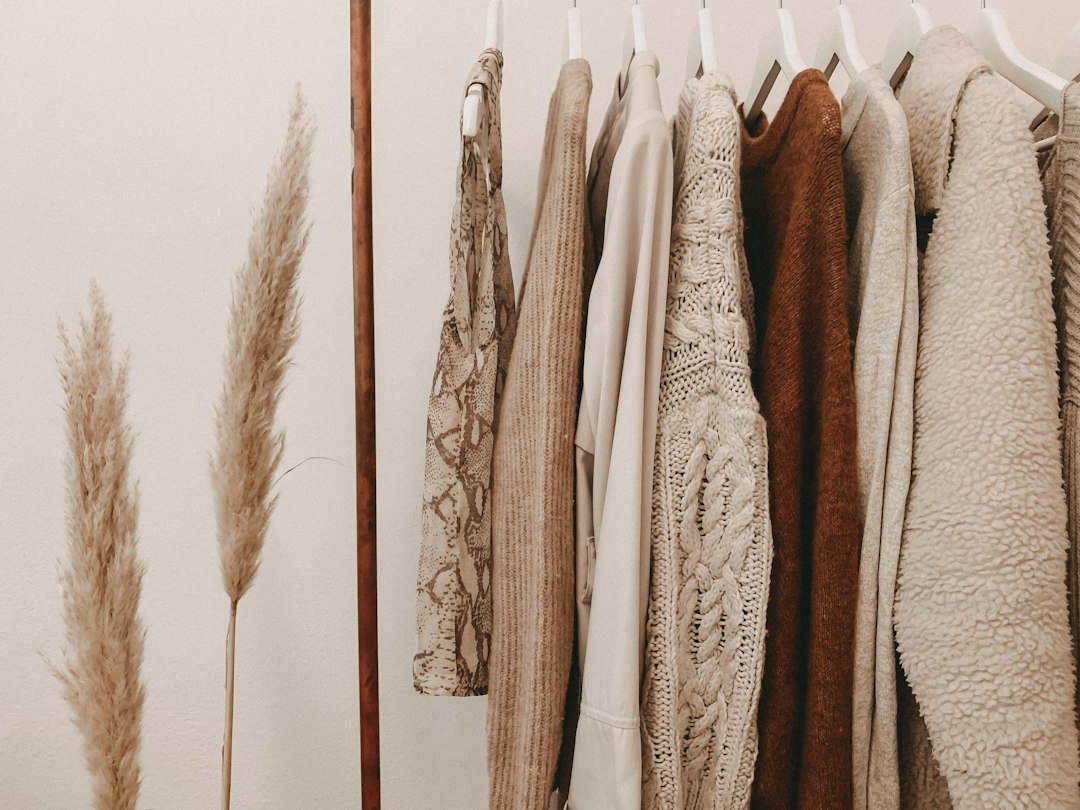 Photo by Alyssa Strohmann on Unsplash
Start With the Dress Code, Not the Dress
Most fall wedding invitations land in one of four buckets: garden or outdoor ceremony, semi-formal evening, black-tie optional, or a casual barn/brewery celebration. The mistake is treating these as four separate wardrobes. They’re not. They’re four temperature-and-formality settings on the same five-piece system.
Before you open a single resale app, write down three things for each event: the time of day, the venue (indoors, outdoors, both), and the dress code as written. That’s it. Time of day tells you fabric weight and whether you need a layer. Venue tells you footwear and whether you’ll be on grass or gravel. Dress code tells you the formality ceiling.
Here’s the decision rule that saves the most money: dress for the most formal moment of the event, then layer down for the rest. If the ceremony is dressy and the reception is casual, you wear the dressy outfit and shed a layer or swap shoes. You don’t build two outfits. This is also why fall is the easiest season to do this well, because layering is already expected.
The pieces that make this work are almost always secondhand. Fall wedding guest dressing rewards fabric quality over trend, and the resale market is full of exactly that: silk slips, wool blazers, velvet, and structured midi skirts that were expensive new and are now $30 on Poshmark. Before you buy any of them, though, know how to keep them alive. A thrifted silk slip is only a bargain if you know how to wash and store it without losing the sheen.
The Five-Piece Base (and Why Five Is the Number)
The capsule runs on five core pieces. Not five outfits’ worth of clothes; five pieces that recombine into five outfits. Here’s the base:
1. A midi slip dress or column dress in a deep fall neutral. Think chocolate, oxblood, forest, or slate. Silk or a heavy satin blend reads dressy; a matte crepe reads more casual. This is your evening workhorse.
2. A structured blazer, ideally wool or a wool blend. This is your formality dial. Over the slip dress, it’s semi-formal. Over a skirt and knit, it’s a daytime ceremony. If you’re hunting secondhand, fit matters more than label, and a secondhand hourglass blazer that actually flatters is worth more than three trendy ones that don’t.
3. A fine-gauge knit or silk blouse. This is your temperature control and your modesty layer for daytime ceremonies.
4. A midi or maxi skirt in a textural fabric. Velvet, taffeta, heavy pleats, or a wool blend. This is what makes the daytime and casual looks feel intentional rather than borrowed-from-work.
5. Statement shoes you can actually walk in. Block heels, kitten heels, or a polished ankle boot. Fall is forgiving here; you don’t need a strappy sandal.
That’s the whole base. Everything else is accessories: a clutch, a wrap, jewelry, tights. If you already own two of these five, you’re not building a wardrobe, you’re filling gaps.
How the Pieces Overlap
The reason five pieces yield five outfits is that each piece plays two roles. The slip dress is the base for evening looks and the layering piece under the blazer for daytime. The skirt is the base for daytime and casual, and gets dressed up with the blouse and heels for semi-formal. The blazer is the formality dial for three of the five looks. The knit is warmth and coverage. The shoes anchor everything.
If you want to see this overlap logic applied to a different occasion, the 5-look Thanksgiving formula uses the same principle for holiday dressing.
The Five Outfit Formulas
Here’s where the capsule becomes five real outfits. Each formula lists the base pieces, the layering move, and the one swap that changes the formality level.
Formula 1: The Garden Ceremony (Daytime, Semi-Formal)
Base: midi skirt + silk blouse + blazer + block heels. Layer: a light wrap or shawl for the ceremony, shed for the reception. Swap to dress up: replace the blouse with the slip dress worn as a top, tucked into the skirt.
This is the outfit for a 2 p.m. outdoor ceremony in October. The skirt does the work; the blazer keeps it from reading too casual; the heels are stable enough for grass. If the ground is soft, swap to a block-heel boot. A thrifted silk blouse in a warm neutral (cream, camel, soft gold) makes the whole thing look more expensive than it is.
Formula 2: The Semi-Formal Evening Reception
Base: slip dress + blazer + statement heels. Layer: none, or a cropped jacket if the venue runs cold. Swap to dress down: lose the blazer and add a fine-gauge knit draped over the shoulders.
This is the most common fall wedding guest scenario: a 5 p.m. ceremony followed by a reception that runs until midnight. The slip dress is the base; the blazer is what makes it read “wedding guest” instead of “dinner date.” If the dress is silk, read the silk care playbook before you wear it to a venue with red wine.
Formula 3: Black-Tie Optional
Base: slip dress (the dressiest version you own) + heels + clutch. Layer: a velvet or satin wrap, or a tailored coat if the venue is outdoors. Swap to dress up: add a statement earring and a silk scarf tied at the neck.
Black-tie optional is the trickiest code because it’s a range, not a rule. The safest read is a floor-length or midi dress in a rich fabric, no blazer (too business), and one strong accessory. If you don’t own a floor-length dress, a midi slip in a deep color with heels and a wrap is entirely acceptable. If you’re layering over it, a secondhand wool coat works better than a pashmina if the event is outdoors.
Formula 4: The Casual Barn or Brewery Wedding
Base: midi skirt + fine-gauge knit + ankle boots. Layer: a denim or leather jacket if the venue is truly casual. Swap to dress up: add the blazer and swap boots for heels.
This is the wedding where “cocktail attire” is aspirational and half the guests are in jeans. You want to be the best-dressed version of casual, not the most overdressed person in the room. The textural skirt does the heavy lifting; the knit keeps it grounded; the boots keep you comfortable on gravel or hay. If you’re building this look from scratch, the blazer fit checklist is worth a read before you buy.
Formula 5: The After-Party
Base: slip dress + heels (or swap to a flat). Layer: the blazer, worn open, or a leather jacket if the vibe is downtown. Swap to dress down: lose the heels, add a knit, and you’re in “late-night dancing” mode.
The after-party is where the capsule pays off most. You’re not changing outfits; you’re shedding layers. The slip dress that was semi-formal at 6 p.m. becomes the base for a looser, later look. If you own a leather jacket, this is the moment. If not, the blazer worn open over the slip dress reads intentional and slightly undone.
The Comparison Table: Which Formula Uses Which Pieces
| Piece | Garden Ceremony | Semi-Formal Evening | Black-Tie Optional | Casual Barn | After-Party |
|---|---|---|---|---|---|
| Slip dress | as top | base | base | — | base |
| Blazer | layer | layer | — | layer | layer |
| Fine-gauge knit | — | shoulder drape | — | base | layer |
| Midi skirt | base | — | — | base | — |
| Statement heels | base | base | base | swap | swap |
| Wrap/coat | layer | — | layer | — | — |
Read the table as a packing list, not a shopping list. If you own the slip dress, the blazer, and the heels, you already have three of the five outfits. The skirt and the knit are the two gaps most people need to fill, and both are easy secondhand finds.
What to Actually Buy Secondhand (and What to Skip)
Not everything is worth buying used. Here’s the honest split.
Worth buying secondhand: silk and satin slip dresses, wool blazers, velvet skirts, structured midi skirts, statement heels (if barely worn), and wraps. These are the pieces where fabric quality matters more than fit, and where the resale market is deep. A vintage silk slip from the ’90s often outperforms a new fast-fashion version on both drape and durability.
Skip secondhand: anything with visible damage at a stress point (underarm staining, heel collapse, hem fraying), and anything that requires tailoring you can’t afford. A $20 blazer that needs $60 of alterations is a $80 blazer.
Buy new if you must: shoes you’ll walk in for six hours, and anything requiring a precise fit you can’t find used. This is the one place where new is sometimes the more sustainable choice, because a shoe you wear fifty times beats three thrifted pairs you wear once.
If you’re layering over any of these pieces in cold weather, the cashmere care checklist is worth bookmarking before you store your knits for the season.
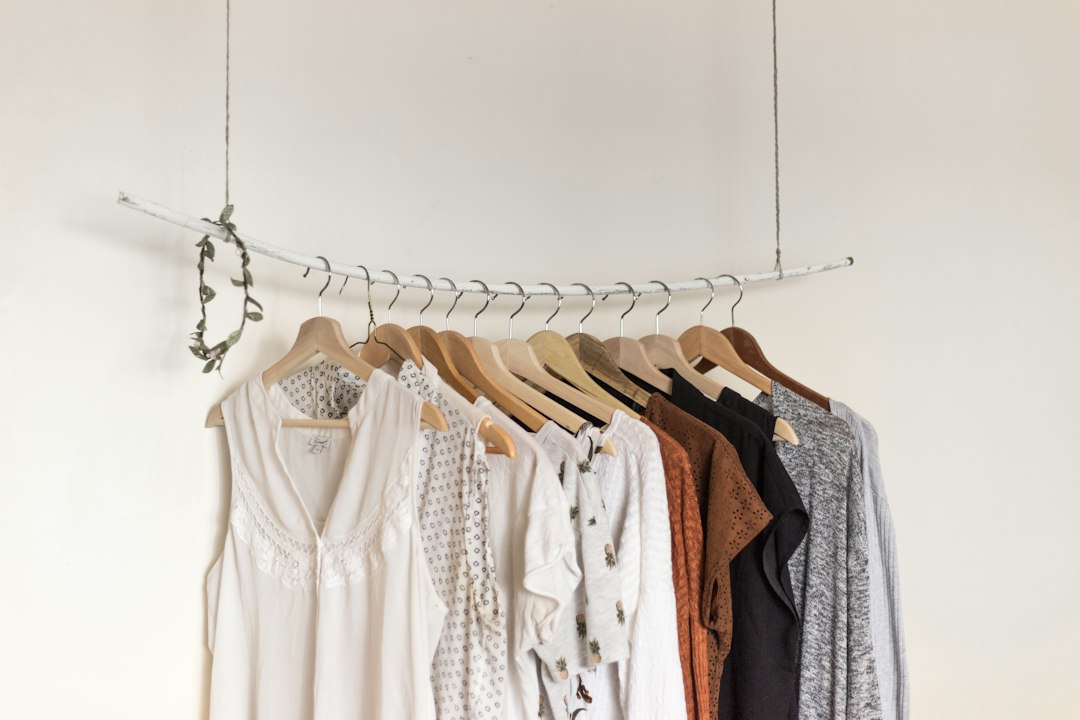 Photo by Priscilla Du Preez 🇨🇦 on Unsplash
What to Do the Week Before the Wedding
The formula only works if you actually test it. A week before the event, do three things.
First, lay out the full outfit, including shoes and underlayers, and try it on standing up. Sit down in it. Walk across the room. If anything pulls, gaps, or slips, fix it now, not in the parking lot.
Second, check the weather and the venue one more time. If the ceremony is outdoors and the forecast is 55°F, your wrap is not optional. If the reception is in a heated tent, your blazer might be too much.
Third, prep the pieces that need care. Steam the slip dress. De-pill the knit. Condition the leather shoes. If you’re wearing a secondhand wool coat, spot-check it for moth damage before it goes in the car. The wool coat care playbook covers the quick version.
Repeatable Outfits, Not One-Off Looks
The emerald dress wasn’t the mistake. Buying it as a one-off was. The fix isn’t to stop buying secondhand; it’s to buy secondhand pieces that belong to a system, so the next invitation doesn’t send you back to the resale app for a stranger.
Five pieces, five formulas, one season. The next time a fall wedding invitation lands in your inbox, you’re not shopping. You’re assembling. Start by pulling the five base pieces out of your closet and laying them on the bed. If two are missing, you know exactly what to hunt for, and you know it’ll earn its place across at least three more events before the season ends. That’s the difference between a wardrobe and a collection of one-night stands.