You found it. A vintage wool coat, maybe camel, maybe charcoal, maybe that specific shade of forest green that hasn’t been made since 1987. It fits like it was tailored for you, the weight is substantial, the lining is intact, and the price tag said $28. It feels like a small miracle.
Then you get it home and the doubt creeps in. It smells faintly of someone else’s closet. There’s a small tear at the pocket seam. You don’t know if it’s been cleaned, how it’s been stored, or what will happen the first time you wear it in the rain. You start to wonder if you should just dry clean it and hope for the best.
That instinct—defaulting to dry cleaning—is the mistake most people make with secondhand wool. It’s not that dry cleaning is always wrong. It’s that it’s often unnecessary, sometimes damaging, and rarely the first thing a vintage wool coat actually needs. Wool is one of the most resilient natural fibers in existence. It has been worn, repaired, and passed down for centuries. A secondhand coat that has already survived decades doesn’t need to be treated like it’s fragile. It needs to be understood.
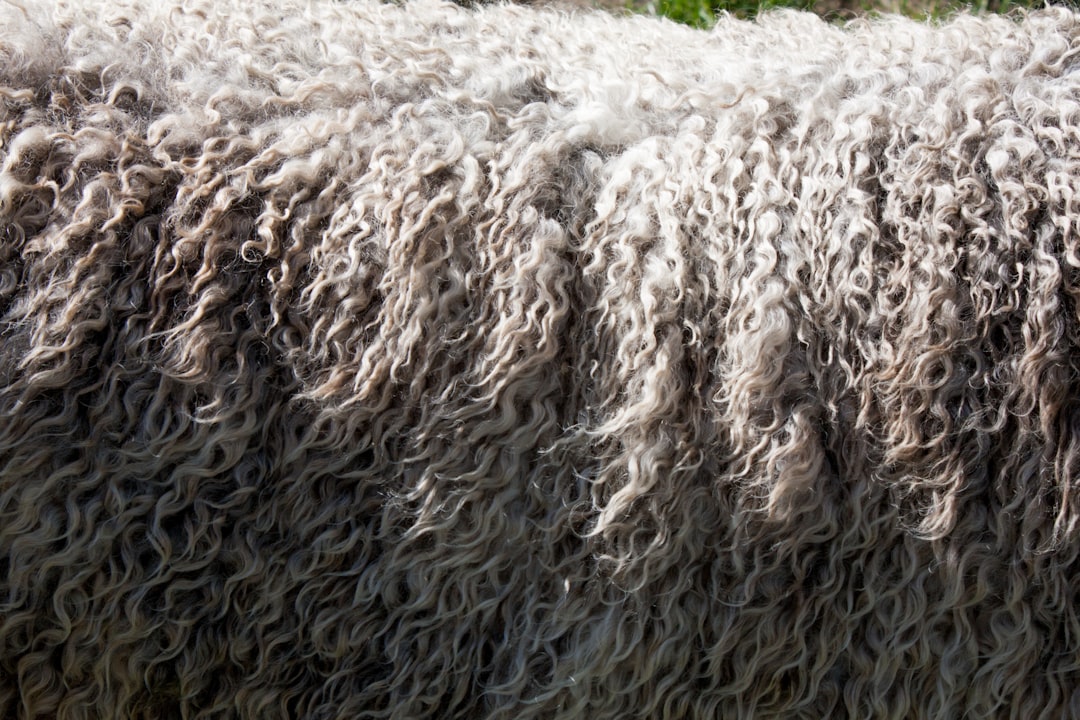 Photo by Vince Veras on Unsplash
Why Secondhand Wool Is Different (and Why That Matters for Care)
New wool and vintage wool are not the same material in practice. A coat made in the 1960s or 1970s was likely constructed with denser weaving, heavier lining, and more generous seam allowances than anything produced today. The fiber itself may be a higher-quality grade—longer staple length, tighter crimp, less processing. That’s part of why it has lasted this long.
But it also means the coat has a history you can’t see. It may have been stored in a cedar chest for twenty years, or hung in a damp basement, or worn daily through fifteen winters. The fibers may be slightly dry. The lining may be more fragile than the exterior. The seams may have been repaired once already.
This is why the standard advice to “just dry clean it” falls short. Dry cleaning uses solvents that strip natural oils from wool fibers. Do it once and the coat is fine. Do it every season for five years and the wool becomes brittle, the color dulls, and the fibers lose the subtle lanolin that makes wool naturally water-resistant and self-cleaning. Vintage wool has already been through decades of wear. It doesn’t need harsh solvents on top of that.
The better approach is to assess what the coat actually needs, then treat it accordingly. Most secondhand wool coats need three things: air, a gentle clean, and proper storage. Some need repair. Very few need dry cleaning.
If you’re building a wardrobe around secondhand and vintage pieces, this same logic applies across categories. The care approach you’d use for a secondhand leather jacket or a secondhand leather bag follows a similar principle: understand the material, intervene minimally, and prioritize longevity over convenience.
The First 48 Hours: What to Do Before You Wear It
Before you wash, repair, or store your coat, give it two days of decompression. This step is unglamorous but essential, and it solves more problems than most people realize.
Air It Out
Hang the coat on a sturdy wooden or padded hanger—not wire, which distorts shoulders—in a well-ventilated space away from direct sunlight. A covered porch, a spare room with a window cracked open, or a bathroom with the fan running will work. Leave it for 24 to 48 hours.
This does three things. It allows surface odors to dissipate naturally. It lets the wool fibers relax and recover their shape after being compressed in a thrift store rack. And it gives you time to inspect the coat properly in good light.
Inspect Seams, Lining, and Pockets
Run your hands along every seam. Check the underarms, the pocket corners, the hem, and the lining where it meets the shell. Look for loose threads, small holes, and areas where the fabric feels thin. Turn the pockets inside out—thrift store coats often hide receipts, tissues, or debris in there.
If you find a small tear, don’t panic. A simple whip stitch with matching thread takes ten minutes and prevents the tear from growing. If the lining is shredded at the underarms—common in vintage coats—a tailor can replace just that section for far less than relining the whole coat.
Address Odors Before Washing
If the coat smells musty, smoky, or just unfamiliar, try a simple sanitizing spray before committing to a full wash. Mix equal parts vodka and water in a spray bottle, add a few drops of lavender essential oil if you like, and mist the interior and exterior lightly. Hang to dry. The vodka neutralizes odor-causing bacteria and evaporates completely, leaving no scent behind except the lavender.
This trick works especially well for coats that are structurally sound but smell like they’ve been stored in a basement. It’s also a good maintenance step between wears.
How to Actually Wash a Wool Coat (Yes, You Can)
Hand washing a wool coat is not as risky as it sounds, provided you follow a few non-negotiable rules. The key is temperature control, minimal agitation, and careful drying.
When to Hand Wash vs. When to Spot Clean
If the coat has visible stains, grime at the cuffs and collar, or a persistent odor that airing didn’t fix, hand washing is appropriate. If it’s structurally fragile—thin fabric, fragile lining, delicate embellishments—spot clean instead.
For spot cleaning, use a wool-safe detergent diluted in cool water. Apply with a soft cloth, blot gently, and rinse by dabbing with a clean damp cloth. Never rub, which can felt the fibers.
The Hand Wash Method
Fill a clean bathtub or large basin with cool water—no warmer than 30°C (86°F). Add a capful of wool-specific detergent. Good options include Eucalan, Soak, or The Laundress Wool & Cashmere Shampoo. These are pH-neutral and don’t require rinsing, which reduces agitation.
Submerge the coat and gently press it down to saturate the fibers. Let it soak for 15 to 20 minutes. Do not agitate, wring, or scrub. If there are particularly soiled areas, use your fingertips to gently work the water through the fabric.
Drain the water and refill with clean cool water for rinsing. If you used a rinse-free detergent, you can skip this step. If not, add a splash of white vinegar to the rinse water to neutralize any detergent residue and restore the wool’s natural pH.
To remove excess water, press the coat against the side of the tub or roll it in a clean towel. Never wring or twist.
Drying Without Damage
Lay the coat flat on a clean, dry towel or drying rack. Reshape it gently while damp—adjust the shoulders, smooth the lapels, and make sure the hem hangs evenly. Let it air dry away from direct heat or sunlight. This may take 24 to 48 hours.
Once dry, hang the coat and give it a good shake. The fibers will loft back up. If the coat feels stiff, a light steam from an iron held several inches away will relax it.
If hand washing feels intimidating, or if the coat is particularly valuable, a professional wet cleaner who specializes in wool is a better choice than conventional dry cleaning. They’ll use gentler methods and understand vintage construction.
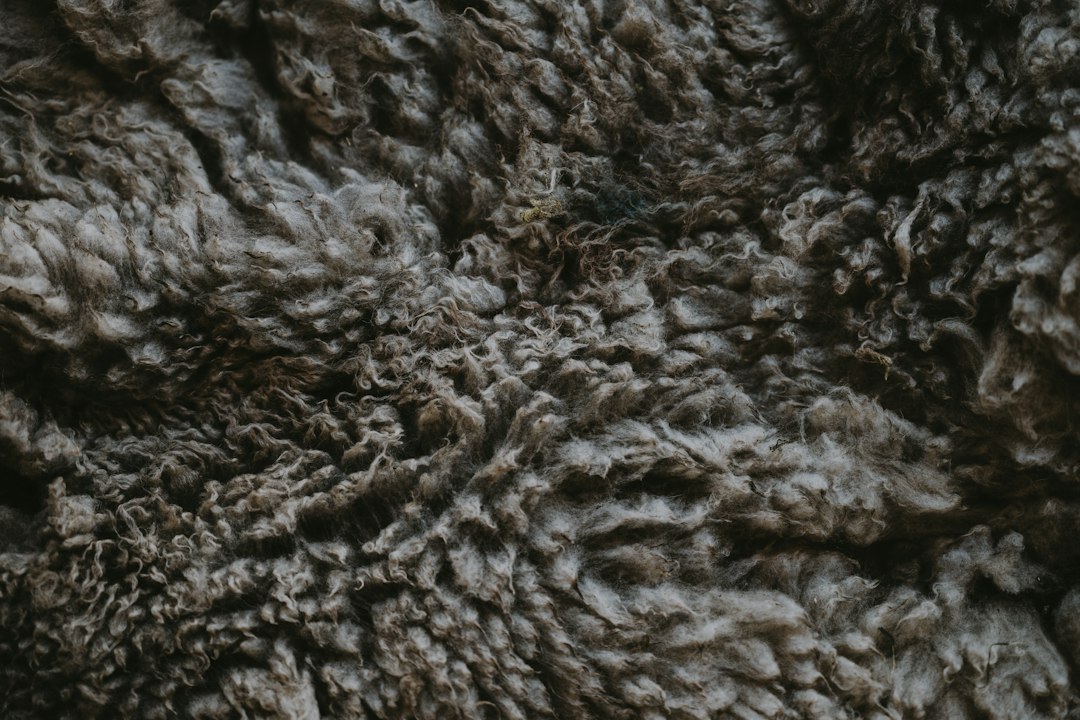 Photo by Annie Spratt on Unsplash
Moth Prevention and Long-Term Storage
Moths are the single greatest threat to a wool coat in storage. They don’t eat the wool itself—they eat the keratin in fibers, and they’re especially attracted to dirty or stored wool. A coat that’s been worn all winter and then put away without cleaning is a buffet.
Clean Before You Store
Even if the coat looks clean, wash or dry clean it before storing for the season. Body oils, sweat, and food particles attract moths. A clean coat is a protected coat.
Storage Materials That Actually Work
Cedar blocks and lavender sachets are popular, but their effectiveness is limited. Cedar oil loses potency over time, and moths can become accustomed to the scent. Lavender is a mild deterrent at best.
What works better:
- Airtight storage bags: Cotton canvas garment bags or vacuum-sealed bags (if you have the space) create a physical barrier. Avoid plastic dry cleaning bags, which trap moisture and can cause mildew.
- Acid-free tissue paper: Wrap the coat loosely in acid-free tissue before placing it in a bag. This prevents creasing and protects against dust.
- Cedar-lined storage: If you have a cedar chest, use it. Just refresh the cedar surface annually with fine sandpaper to renew the oils.
- Moth traps: Pheromone traps catch adult moths before they lay eggs. Place them near—not inside—your storage area.
Where to Store
Store wool coats in a cool, dry, dark place. A closet on an interior wall is ideal. Avoid attics and basements, which fluctuate in temperature and humidity. If you’re storing multiple wool items, leave space between them so air can circulate.
Check your stored coats every few months. Shake them out, inspect for moth holes, and re-air them if needed. A coat that’s checked regularly is a coat that’s protected.
If you’re also caring for other natural-fiber garments, the same storage principles apply. Our guide to washing and storing denim so it lasts decades covers similar ground for a different material.
Rescue Tactics for Common Problems
Even with careful handling, secondhand wool coats can present specific challenges. Here’s how to address the most common ones.
Persistent Odors
If vodka spray and airing don’t work, the odor may have penetrated the fibers. A hand wash with a wool-specific detergent usually resolves it. For smoke odor, add a cup of white vinegar to the wash water. For musty smells, a few drops of tea tree oil in the rinse can help.
Moth Holes
Small holes can be repaired invisibly with a technique called Swiss darning, where you reweave the yarn using a needle and matching thread. It’s fiddly but effective. For larger holes or areas of damage, a tailor can patch from the inside using matching fabric from the hem or inside pocket.
Pilling
Pilling is normal on wool, especially at friction points like underarms and cuffs. Use a fabric shaver or a fine-toothed comb to remove pills gently. Don’t pull them off with your fingers, which can distort the fibers.
Lining Tears
Lining tears at the underarms are extremely common in vintage coats. A tailor can repair them for $15 to $30, or you can do it yourself with a simple ladder stitch if you’re comfortable with a needle.
Shrinkage
If a wool coat shrinks, it’s usually because it was exposed to heat or agitation. You can sometimes relax the fibers by soaking the coat in cool water with a capful of hair conditioner, then gently stretching it back to shape while damp. This doesn’t always work, but it’s worth trying before you give up on the coat.
When Replacement Is Actually Justified
There’s a difference between a coat that needs care and a coat that’s reached the end of its life. Here’s how to tell.
A coat is worth repairing if the fabric is structurally sound, the damage is localized, and the cost of repair is less than half the cost of a comparable replacement. A $30 repair on a coat you love and will wear for another decade is a bargain.
A coat is not worth repairing if the fabric is thin throughout, if the damage is widespread, or if the cost of repair approaches the cost of a replacement. A coat with moth damage across the shoulders and a shredded lining is probably not worth saving.
If you do decide to replace, look for another secondhand coat rather than buying new. The vintage market is full of well-made wool coats that have already proven their durability. And if you’re building a wardrobe of pieces that last, the same principles apply whether you’re choosing a coat, a sustainable cardigan that holds its shape, or a pair of jeans. The goal is always the same: buy well, care intentionally, and keep what works.
The Care Routine Worth Keeping
Here’s the routine that actually works, condensed into something you can do without thinking about it.
When you bring a coat home: Air it for 48 hours. Inspect seams and lining. Spot clean or hand wash if needed. Repair small damage before it grows.
After each season: Hand wash or spot clean. Let it dry completely. Store in a breathable bag with acid-free tissue. Add a cedar block or lavender sachet if you like, but don’t rely on them alone.
Every few months: Check stored coats for moths. Shake them out. Re-air if needed.
When something goes wrong: Address it immediately. A small hole repaired today is a coat that lasts another decade.
The coat you found for $28 has already outlived its first owner’s expectations. With a little care, it will outlive yours too. And that’s the point—not just to own a beautiful coat, but to be the kind of person who keeps it.