You just spent four figures on raw selvedge denim, or maybe you finally found the perfect vintage Levi’s at a thrift store. You wear them everywhere. Then, two months in, you toss them in the washing machine with your towels, hit the “Normal” cycle, and tumble dry them on high. When you pull them out, they are two inches shorter, the whiskering has faded to a sad gray, and the fabric feels thin and papery.
We have all been there. The “just wash them” approach is the fastest way to turn a 20-year investment into a one-season throwaway. But here is the thing: denim is not delicate. It is cotton twill, built for miners and laborers. It wants to be worn hard. The problem isn’t the wearing; it’s the maintenance. We treat jeans like t-shirts, and the fabric punishes us for it.
This playbook is designed to correct that. We are moving past the “freeze your jeans” myth and the “never wash them” flex. We are covering the exact steps to wash, dry, and store your denim so that the fade patterns tell your story, the fibers stay strong, and the fit remains intact for decades. Whether you are caring for a stiff pair of raw denim or a soft, stretchy skirt, the principles are the same: less interference, more intention.
Why Your Current Washing Routine is Ruining Your Denim
The average pair of jeans is washed after 2.3 wears. That is over 150 washes in a single year. Every time you wash denim, you are essentially putting the fabric through a mini-industrial cycle. The agitation breaks down the cotton fibers, the detergent strips the natural oils that give denim its strength, and the water—especially if it’s warm—causes the indigo dye to release and the fibers to shrink.
We need to reset the baseline. Denim is not a hygiene item like underwear or socks; it is an outer layer. Unless you are sweating profusely or spilling something on them, your jeans do not need to be washed after every wear. In fact, most denim enthusiasts agree that you should wash them as infrequently as possible—roughly every 10 wears, or once a month if you wear them daily.
The goal is to preserve the “memory” of the fabric. The creases behind your knees, the fading on your thighs, the honeycombs at the back of your knees—these are called “whiskering” and “honeycombs,” and they are the unique map of your body. Washing too frequently erases this map. Washing correctly—rarely, and with precision—enhances it.
The Step-by-Step Wash Cycle: Cold, Inside Out, and Gentle
When the time comes to wash (and it will), the process is non-negotiable. You are not cleaning a stain; you are refreshing the fabric. Here is the exact protocol that keeps the indigo locked in and the fibers intact.
Step 1: The Spot-Treatment Pre-Wash
Before you even think about the machine, check the fabric. If you have a small food stain or a dirt smudge, you do not need a full wash. Take a damp cloth and a drop of mild detergent—or better yet, a specialized denim soap—and dab the area. Do not rub, as this will push the stain deeper into the weave. Let it sit for 10 minutes, then rinse with a clean damp cloth.
Step 2: Turn Them Inside Out
This is the most critical step. Turning your jeans inside out protects the outer surface—the part with the indigo dye—from direct friction against the drum of the washer. It also protects the hardware (buttons, rivets) from scratching the machine and other clothes. Always fasten the zipper and button before washing to prevent the metal from catching on other fabrics and snagging the denim.
Step 3: The Cold Water Cycle
Hot water is the enemy of indigo. It opens up the fiber scales and forces the dye out. Always, always use cold water. This is non-negotiable. Set your machine to the “Delicate” or “Gentle” cycle. This uses less agitation and a slower spin cycle. The spin cycle is actually more damaging than the wash cycle because it wrings the water out violently, distorting the weave.
Step 4: The Detergent Choice
Skip the bleach, skip the fabric softener, and skip the “color-safe” boosters. Fabric softener coats the fibers in a waxy residue that actually attracts dirt and breaks down the cotton over time. You need a mild, pH-neutral detergent. A specialized denim wash is ideal because it contains no optical brighteners or harsh enzymes. If you don’t have one, a gentle plant-based liquid detergent works perfectly. Use half the amount you normally would—you are not trying to strip the fabric, just clean it.
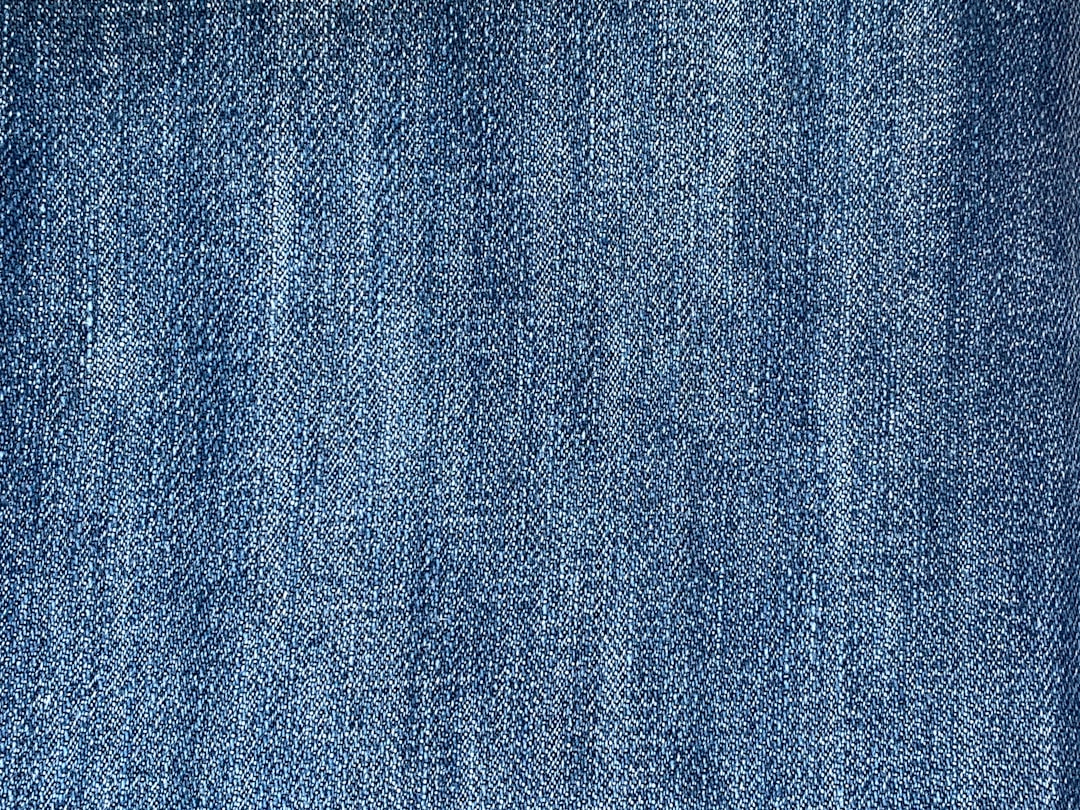 Photo by Second Breakfast on Unsplash
Step 5: The Drying Method
Never, ever put denim in the dryer. The heat is what causes the severe shrinkage and breaks down the cotton fibers, leading to holes in the knees and thinning in the thighs. Instead, pull them out of the washer and shake them out to remove wrinkles. Reshape them with your hands, pulling the legs to their natural length.
Hang them to dry, but not by the waistband with a clothespin—this stretches the waist. Instead, fold them over a drying rack or a sturdy hanger, clipping them at the crotch seam or hanging them by the belt loops. Keep them out of direct sunlight, as UV rays will also fade the indigo. A well-ventilated, shaded area is perfect.
The “Wear Them Wet” Trick: If you have a pair of raw or selvedge denim that is slightly too tight in the waist or too long in the leg, put them on while they are still damp from the wash (or after a spray-bottle misting). The fabric is pliable when wet. Wear them for 30 minutes to an hour as they dry. This will mold the denim to your exact body shape, creating a custom fit that a tailor would envy.
The Rescue Protocol: Fixing Stains, Smells, and Stiffness
Even with the best intentions, accidents happen. You spill coffee, you sit on a questionable park bench, or you leave them in the hamper for three weeks and they get a musty smell. Here is how to handle the rescue missions without resorting to a harsh wash.
Dealing with Odor
If your jeans smell but aren’t dirty, skip the machine entirely. The freezer trick (freezing to kill bacteria) is largely a myth—it does not kill odor-causing bacteria; it just puts them to sleep. The better method is the “airing” technique. Hang your jeans outside on a breezy day for a few hours. UV light and airflow will neutralize most odors naturally.
For persistent smells, mix a solution of 1 part white vinegar to 4 parts cold water in a spray bottle. Spray the inside of the jeans (the lining), focusing on the waistband and the crotch area. The vinegar is a natural deodorizer and will evaporate, taking the smell with it. Let them air dry completely before wearing.
Removing Stains
For heavy stains, do not rub the fabric. Instead, lay the jeans flat and place a clean, dry white towel underneath the stained area. Using a spray bottle with cold water, dampen the stain. Then, use a soft-bristled brush (an old toothbrush works wonders) and a drop of mild detergent to gently work the soap into the stain in a circular motion. The towel underneath will absorb the dislodged dirt and dye. Rinse the area by dabbing with a clean wet cloth, then let it air dry.
Reshaping and Softening
If your jeans feel stiff (especially after a wash), do not reach for the fabric softener. Instead, put them on while they are slightly damp and wear them around the house for an hour. Your body heat and movement will naturally soften the fibers and re-stretch them to your shape. This is the “break-in” period, and it is essential for raw denim.
Storage and Rotation: The Art of Letting Them Rest
How you store your denim is just as important as how you wash it. Denim is a living fabric; it needs to breathe. Cramming them into an overcrowded drawer or hanging them by the belt loops in a damp closet will cause wrinkles, stretching, and even mildew.
The Folding Method
The best way to store jeans is folded, not hung. Hanging them by the waistband stretches the fabric over time, creating a “batwing” effect at the waist. Hanging them by the cuffs puts unnecessary stress on the hem. Instead, fold them in half lengthwise (leg to leg), then fold them in half or thirds, and stack them flat in a drawer.
The Rotation Rule
Do not wear the same pair of jeans two days in a row. Denim needs at least 24 hours to recover its shape after a day of wear. The fibers stretch and relax; giving them a day off allows them to bounce back. This is why building a capsule wardrobe works so well. If you have a rotation of two or three pairs, they will all last significantly longer than a single pair worn daily.
The Cool, Dry Place
Store your denim in a cool, dry place away from direct sunlight. A dark closet or a drawer is ideal. Sunlight will fade the indigo over time, even when the jeans are not being worn. Keep them away from heat sources like radiators, which can dry out the cotton and make it brittle.
When to Repair, Not Replace
The most sustainable garment is the one you already own. Before you toss a pair of jeans with a hole in the knee or a frayed hem, consider repair. Visible mending is a beautiful trend, but structural repair is a necessity.
- Frayed Hems: If the bottom hem is fraying, take them to a tailor to have them re-hemmed. This is a cheap fix that adds years of life.
- Holes in the Knees: If the hole is small, use a denim repair patch on the inside of the garment and sew around it. If the hole is large, you can either embrace the “destroyed” look or take them to a professional who can weave in new threads.
- Waistband Gaps: If the waistband is too loose, a tailor can take in the side seams. This is a much better option than buying a new pair.
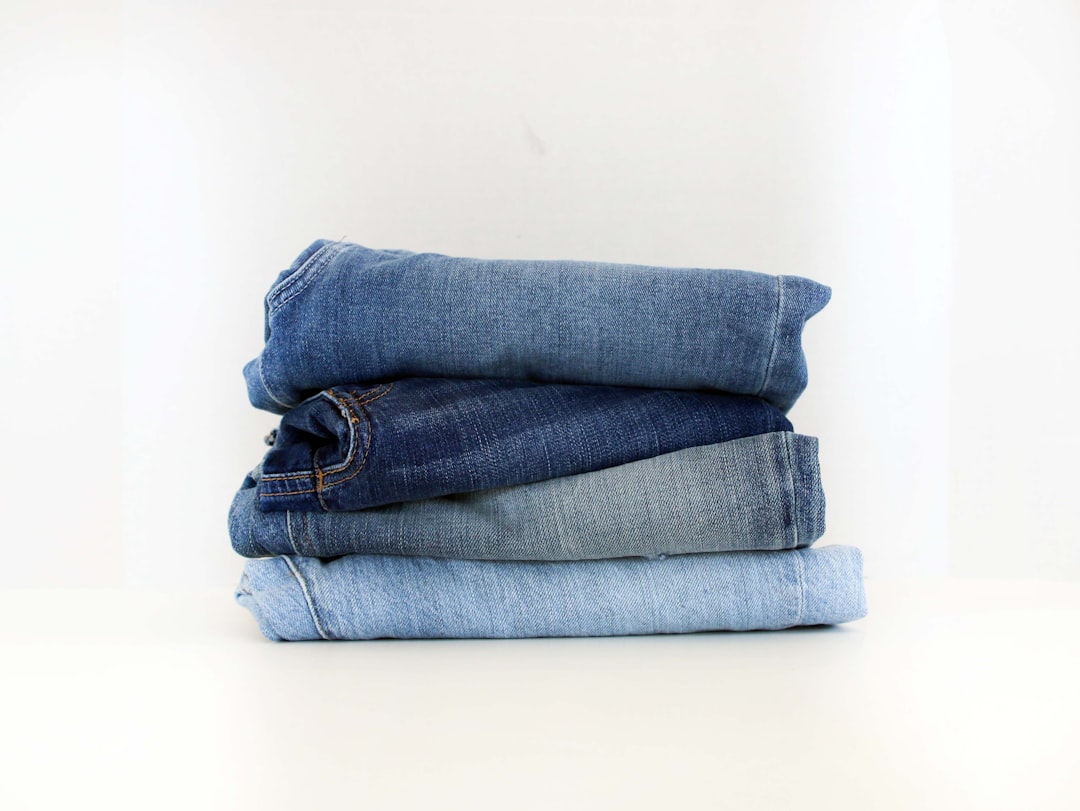 Photo by Claire Abdo on Unsplash
The Care Routine Worth Keeping
Let’s distill this into a routine that feels manageable, not obsessive. You don’t need to treat your denim like it’s made of glass—it’s built for life. But you do need to be deliberate.
The 10-Wear Rule: Wash your jeans every 10 wears, not every 2. Between washes, air them out overnight.
The Monthly Refresh: Once a month, do a spot check. Look for loose threads, check the stitching on the pockets, and give the knees a sniff. Address small issues before they become holes.
The Seasonal Deep Clean: At the end of the season (or every 3 months), give your jeans a proper wash following the cold, gentle, inside-out protocol. This is the time to treat them to a specialized denim conditioner if you have them.
The Rotation: Never wear the same pair two days in a row. This simple habit extends their life more than any wash cycle ever will.
By adopting this playbook, you are not just preserving a garment; you are preserving the resources that went into making it. You are resisting the fast-fashion cycle of buy, wash, destroy, and repurchase. Your jeans will develop a patina that is uniquely yours—a record of the places you’ve been and the things you’ve done. That is the true luxury of slow fashion.
For more on building a wardrobe that lasts, check out our guide on The 70/30 Rule for Wardrobe Building to understand how to balance your investments, or dive into our Sustainable Denim Brands guide if you are looking to add a new pair to your rotation.
Now, go wear your jeans. That’s what they’re for. Just remember to hang them up when you get home.