You pull on a sweater, step outside, and immediately regret it. By 10 a.m. you’re carrying the sweater, and by 4 p.m. you’re wishing you hadn’t. Fall weather doesn’t hold still long enough for a single outfit to make sense, which is why most of us end up layering badly — grabbing whatever’s clean, adding a scarf that fights the jacket, and calling it good enough.
The fix isn’t more clothes. It’s a system: a small set of pieces that stack in predictable ways, so you can add or subtract a layer without rethinking your whole outfit. If your closet already holds a few secondhand staples — a wool coat, a cardigan, a couple of base layers — you have almost everything you need. This is a formula for building five repeatable fall outfits from what’s already hanging there, organized around how layers actually behave in transitional weather.
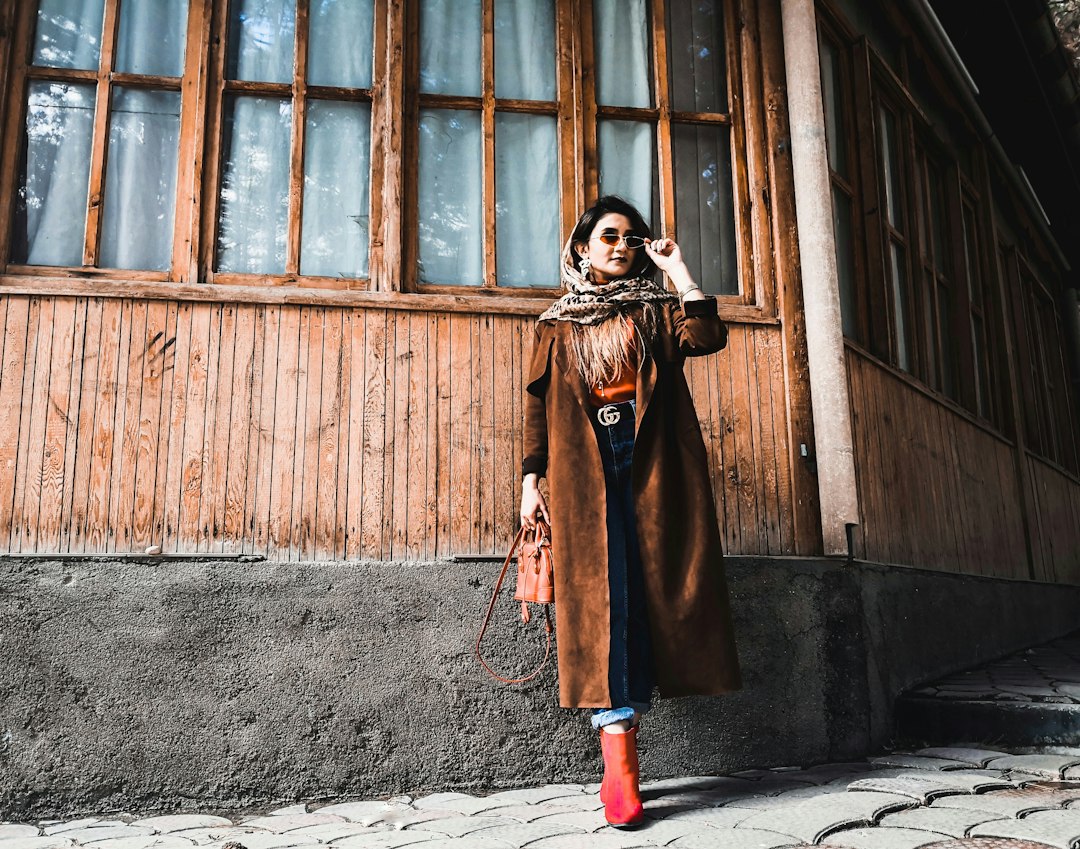 Photo by Arash Payam on Unsplash
The Three-Slot Layering Formula
Every fall outfit that survives a full day of temperature swings does the same job in three slots. Think of them as roles, not specific garments:
Slot 1: The base layer. This sits against your skin and handles the warmest part of the day. A cotton tee, a thin merino crewneck, a silk slip, a lightweight turtleneck. The base layer should be comfortable on its own, because for two or three hours it will be your whole outfit.
Slot 2: The mid layer. This is the piece you add in the morning and shed at noon. Cardigans, overshirts, button-downs worn open, thin cashmere, a quilted vest. The mid layer needs to look intentional when worn alone and disappear gracefully when tied around your waist or stuffed in a tote.
Slot 3: The outer layer. This is what you wear from the door to the car and again after sunset. A wool coat, a trench, a leather jacket, a heavier cardigan. The outer layer can be the boldest piece in the outfit, because it’s the one people see first and the one you take off indoors.
The magic is that any base can pair with any mid, and any mid can sit under any outer. Three slots, roughly five pieces each, and you have more combinations than you’ll wear in a season. The trick is making sure the pieces in each slot actually coordinate — which is a color and fabric question more than a quantity question.
If your mid or outer layer is wool or cashmere, the system only works if those pieces stay in wearable condition. A pilling sweater or a coat with a torn lining breaks the formula fast. Our guides to caring for secondhand wool coats and the cashmere care checklist cover the repair and storage basics that keep these pieces in rotation for years.
Your Five-Piece Core (and Why Five Is Enough)
You don’t need a new capsule. You need to identify which pieces you already own can fill each slot, then commit to those. Here’s the core I’d pull from a typical secondhand-heavy closet:
- A neutral base layer — a fitted tee or thin knit in cream, black, gray, or navy
- A patterned or textured base layer — stripes, a subtle print, or a ribbed knit that adds interest when worn alone
- A cardigan or overshirt — the workhorse mid layer, ideally in a color that reads with everything
- A structured outer layer — a blazer, wool coat, or leather jacket that gives the outfit shape
- A soft outer layer — a longer cardigan, trench, or relaxed coat for days when structure feels like too much
That’s it. Five pieces, and if they share a color family, you get twenty-five combinations before you add shoes or accessories. The reason five works better than fifteen is decision fatigue: when every piece can pair with every other piece, getting dressed takes ninety seconds, and you actually rewear things instead of defaulting to the same two outfits.
A note on color: the easiest way to make five pieces behave like fifty is to keep three of them in the same neutral family (all warm browns, or all cool grays) and let the other two carry pattern or a single accent color. This is also how you make secondhand shopping efficient — you’re not hunting for a specific item, you’re hunting for a piece that fits a slot and plays well with what you own.
What counts as “already own”
If you’ve been thrifting for a while, you probably have more than five pieces that could fill these slots. That’s fine — the formula isn’t about owning exactly five things. It’s about knowing which five you’d grab if you had to dress for a week of unpredictable weather. Once you identify those, the rest of your closet becomes backup, not competition.
The fit check that saves the formula
Layers only work if they’re sized to stack. A mid layer that’s too bulky under an outer layer creates the stuffed-sausage effect; a base layer that’s too loose bunches at the waist. Before you commit to your five, try each combination on in front of a mirror and check that you can move your arms, sit down, and raise your hands without the whole stack shifting. If a piece only works alone, it doesn’t belong in the core — it belongs in a different outfit.
If your structured outer layer is a blazer, fit matters even more, since a poorly fitted blazer ruins every outfit it touches. Our blazer fit checklist walks through the shoulder, sleeve, and button-stance details that make a secondhand blazer actually wearable.
How to Build Five Outfits From the Same Five Pieces
Here’s where the formula earns its keep. Below are five outfit recipes, each using the same five slots, adjusted for different fall days. None of them require buying anything.
Outfit 1: The warm-afternoon day
Base layer alone, mid layer tied at the waist, outer layer in your bag. This is the outfit for a day that starts at 55°F and ends at 72°F. A striped tee, a cardigan knotted over your hips, and a light trench you carry until evening. The trick here is that the mid layer has to look good tied — a thin knit or soft cotton cardigan, not a stiff wool one.
Outfit 2: The cool-morning, mild-afternoon day
Base layer plus mid layer, outer layer optional. This is the classic fall outfit: a thin turtleneck under a cardigan, with a wool coat over the top in the morning and left in the car by lunch. Choose a mid layer that reads as a finished outfit on its own, because for several hours it will be one.
Outfit 3: The all-day-cold day
All three layers, worn the whole day. Base layer, mid layer, structured outer layer. This is where a wool coat or leather jacket earns its place — it’s the piece doing the visible work, so it can be the most interesting thing you own. Keep the base and mid layers simple so the outer layer carries the outfit.
Outfit 4: The indoor-outdoor day
Base layer plus soft outer layer, mid layer skipped. For days spent moving between heated buildings and cool streets — errands, coffee, a museum. A silk slip or thin knit under a long cardigan or trench. The soft outer layer is the whole point here; it needs to be comfortable enough to wear indoors without overheating.
Outfit 5: The dressed-up fall evening
Base layer plus structured outer layer, mid layer swapped for a scarf or a piece of jewelry. A silk slip or fine knit under a blazer or wool coat, with a scarf adding the warmth a cardigan would have. This is the outfit that proves the formula works for dinners and events, not just errands.
 Photo by Valerie Elash on Unsplash
A Comparison Table: Which Outfit for Which Day
| Outfit | Slots used | Best temperature range | Best for |
|---|---|---|---|
| Warm-afternoon | Base + mid (tied) | 60–75°F | Errands, walks, casual workdays |
| Cool-morning, mild-afternoon | Base + mid + outer (optional) | 50–68°F | Commutes, school runs, office days |
| All-day-cold | Base + mid + outer | 35–55°F | Full days outside, winter previews |
| Indoor-outdoor | Base + soft outer | 55–70°F | Museums, coffee, shopping, travel |
| Dressed-up evening | Base + structured outer + scarf | 45–65°F | Dinners, events, date nights |
The table isn’t a rulebook — it’s a decision shortcut. When you wake up unsure what the day will do, check the forecast, find the row that matches, and dress to that formula. You’ll stop over- or under-layering because you’re dressing for the range, not the moment you leave the house.
Making the Formula Work With Secondhand Pieces
Secondhand shopping changes the formula in one useful way: you’re not buying to fill a slot, you’re noticing which slot a piece could fill before you buy it. That reframe keeps you from bringing home a beautiful coat that doesn’t layer with anything you own.
Three practical rules for secondhand layering pieces:
Buy for the slot, not the piece. Before you commit to a thrifted cardigan, ask which base layers it will sit over and which outer layers will sit over it. If you can name two combinations, it’s a good buy. If you can’t name one, it’s a costume.
Check the fabric for stackability. Thin merino, silk, and fine cotton layer beautifully. Bulky acrylic knits and stiff wool don’t. If you’re building a layering system, prioritize pieces that are thin enough to stack and warm enough to matter. Our explainer on bamboo lyocell vs. cotton vs. viscose is useful here if you’re trying to figure out which breathable base layers actually work under a sweater without overheating.
Repair before you replace. A cardigan with a loose button or a coat with a worn lining is still a layering piece — it just needs ten minutes of attention. Learning basic repairs is the cheapest way to keep your five-piece core intact through multiple fall seasons. The suede boot care playbook is a good example of how far a little maintenance stretches a secondhand piece.
If you’re layering a scarf into any of these outfits — especially the dressed-up evening one — silk and lightweight wool scarves need different care than your sweaters. Our silk scarf and slip care guide covers washing and storage so the sheen holds up through the season.
One brand note, only if it helps
If you’re filling a gap in your core and want a base layer that layers without bulk, merino from brands like Icebreaker or Smartwool (AFFILIATE_LINK_ICEBREAKER) is worth watching for on resale sites — thin merino crewnecks are the single most versatile base layer for this formula, and they show up secondhand often enough that you rarely need to buy new.
Repeatable Outfits, Not One-Off Looks
The point of a layering system isn’t to have five outfits. It’s to have five outfits you can rebuild from memory, in any combination, without shopping. That’s what makes it sustainable in the literal sense — you’re wearing what you own more often, and you’re buying less because you already know what works.
Start this week by pulling your five core pieces and wearing the five outfits above, in order, over five days. Notice which combinations feel effortless and which ones need adjusting. By the end of the week, you’ll know your formula well enough to dress for any fall forecast in under two minutes — and you’ll have proof that the pieces already in your closet were enough all along.