You are standing in an aisle—or more likely, scrolling through an app—staring at a pair of leggings described as “Regenerative,” “Carbon-Neutral,” and “Made with Recycled Materials.” The price point is high, the color is a muted sage green, and the marketing copy mentions saving the planet three times before you even get to the fabric composition. You want to buy them. You need new leggings. But a small voice in your head asks: Is this actually better for the planet, or is this just a very expensive t-shirt with a hot dog on it?
The activewear sector is the Wild West of sustainability claims. Because these garments rely on technical fabrics like nylon, polyester, and elastane—all petroleum derivatives—brands are under immense pressure to appear green. The result is a flood of vague terminology, misleading imagery, and “eco-lines” that represent a fraction of a brand’s overall production. To navigate this, you need a system. This is a practical, five-point checklist designed to help you filter the genuine innovators from the professional marketers before you hand over your credit card.
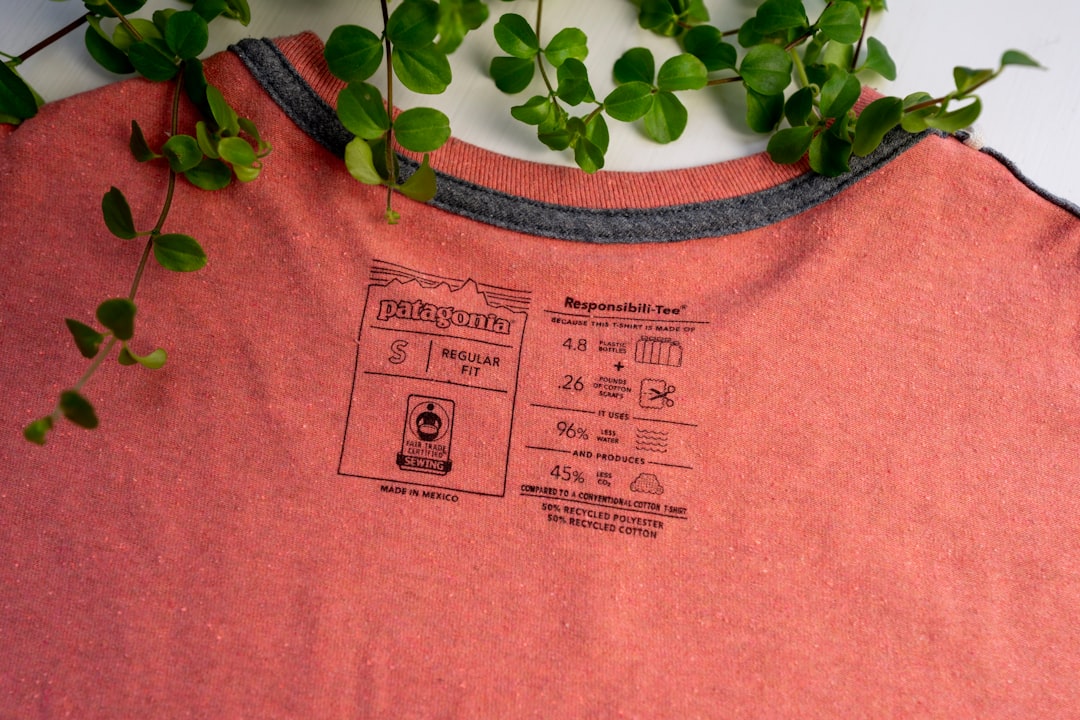 Photo by Hendrik Morkel on Unsplash
The 5-Point Greenwashing Checklist for Activewear
Before you add that sports bra to your cart, run it through these five filters. If it fails on more than one, it is probably not worth the premium price tag.
1. The Fabric Sourcing Audit: Is It “Recycled” or Just “Recyclable”?
The most common greenwashing trap in activewear is the “Recycled Polyester” halo. Yes, recycled polyester (rPET) is better than virgin polyester because it keeps plastic bottles out of landfills. However, the term is often used to obscure the fact that the garment is still essentially plastic. When you wash it, it sheds microplastics into our waterways.
The Checklist Question: Does the brand specify what the recycled content is, and more importantly, what happens to the garment at the end of its life?
- The Red Flag: A brand claiming “100% Recycled Nylon” but offering no take-back program or repair service. If the fabric is recycled but the garment is designed to be disposable, the environmental benefit is minimal.
- The Green Flag: Look for specific fabric names like ECONYL® (regenerated nylon) or Repreve® (recycled polyester). These are traceable, third-party verified materials. More importantly, check if the brand offers a circular program. For example, Girlfriend Collective clearly states the percentage of recycled materials in every product and runs a recycling program for their own worn-out items. If a brand uses recycled fibers but has no plan for the product’s end-of-life, they are simply delaying the landfill date, not preventing it.
2. The Certification Verification: Show Me the Receipts
Anyone can print a leaf on a tag. Certifications are the only way to verify that a claim has been audited by an independent body. However, the activewear industry is tricky because the most rigorous certifications (like GOTS for organic cotton) don’t always apply to synthetics.
The Checklist Question: Can they verify their claims with a specific, verifiable certification number?
- The Red Flag: Using generic terms like “Eco-Friendly,” “Green,” or “Sustainable” without a specific certification to back it up. Also, be wary of brands that claim to be “OEKO-TEX Standard 100” certified. While this is a good health standard (ensuring no harmful substances), it is not a sustainability certification. It doesn’t tell you how the fabric was sourced or if the workers were paid fairly.
- The Green Flag: For synthetics, look for Global Recycled Standard (GRS) certification, which verifies the recycled content and tracks social and environmental practices in the supply chain. For natural fibers like organic cotton used in linings or terry cloth, look for GOTS (Global Organic Textile Standard). If a brand claims to be certified, they should be able to provide a license number or a link to their certificate on the certifying body’s database. If they can’t, it’s just decoration.
3. The Supply Chain Transparency Test: Who Sewed Your Seams?
The “People” part of “People and Planet” is often the first thing to be cut from a brand’s marketing budget. A brand can use the most eco-friendly fabric on earth, but if it is sewn in a factory with unsafe conditions and below-living wages, it is not ethical.
The Checklist Question: Does the brand name its factories or partner organizations, or do they hide behind “we work with trusted partners in Asia”?
- The Red Flag: A brand that lists its “Sustainability” page but has no information about its supply chain, factory list, or code of conduct. If they cannot tell you where the garment was made, they likely don’t know either.
- The Green Flag: Radical transparency. Look for brands that list their factory locations (city and country) or partner with B-Corp certified manufacturers. Outerknown is a great example in the broader apparel space, publishing their factory list and their Fair Labor Association accreditation. In the activewear sphere, Pangaia is vocal about their supply chain partners, though their high-tech approach can sometimes obscure the human element. Look for specific mentions of “SA8000” certification or membership in the Fair Wear Foundation.
4. The “Hidden Tradeoff” Check: Is It a Distraction?
This is the most insidious form of greenwashing. A brand might use recycled zippers (a small component) but make the main body of the jacket from virgin polyester. Or, they might plant a tree for every purchase (a carbon offset) while ignoring the fact that their manufacturing process uses toxic dyes.
The Checklist Question: Are they highlighting one small green aspect to distract from a larger unsustainable reality?
- The Red Flag: Heavy emphasis on “Carbon Neutral Shipping” or “1% for the Planet” donations, while the product itself is made from virgin, fossil-fuel-derived materials. Offsetting is not the same as reducing. If a brand is planting trees but using virgin plastic, they are buying indulgences, not solving the problem.
- The Green Flag: A holistic approach. The brand discusses water usage, chemical management, and energy consumption across the entire lifecycle of the product. They aren’t just talking about the packaging; they are talking about the dying process and the finishing chemicals. Patagonia remains the gold standard here—they are transparent about their supply chain, their carbon footprint, and their failures. They don’t hide behind a single “eco” product line; they acknowledge that everything they make causes harm and work to reduce it.
 Photo by Keagan Henman on Unsplash
5. The Durability & Care Factor: Will It Last 100 Washes?
The most sustainable garment is the one you already own. The entire premise of “conscious consumption” falls apart if you buy a “sustainable” pair of leggings that pills after three wears and loses its elasticity in six months. If you are replacing your activewear every season, the environmental impact of production outweighs the benefit of the recycled fibers.
The Checklist Question: Does the brand provide care instructions that encourage longevity, and do they offer repair services?
- The Red Flag: A brand that tells you to wash in cold water but doesn’t mention microplastics, or one that uses delicate fabrics that require dry cleaning (a toxic process) for a product meant to be sweated in.
- The Green Flag: Brands that design for repair. Look for companies that sell replacement parts (like bra straps or drawcords) or offer a repair service. Nudie Jeans is a denim example, but in activewear, look at brands like Outdoor Voices or Vuori—while not perfect, they focus heavily on durability and comfort, encouraging everyday wear rather than occasional use. Also, check the fabric weight. A 200gsm recycled polyester is going to last longer than a 150gsm one, regardless of the marketing spin.
The Shortlist Criteria That Matter
If you are standing in a store or staring at a product page, and you have five minutes, here is the distilled version of the above. Use this as your mental filter.
| Checklist Item | The Question to Ask | Pass/Fail Indicator |
|---|---|---|
| Material Sourcing | Is the recycled content specific (ECONYL, Repreve)? | Pass: Specific fiber names + End-of-life plan. Fail: Vague “Eco” claims. |
| Certifications | Is there a verifiable 3rd party standard (GRS, GOTS)? | Pass: License numbers or links to certifier. Fail: Generic “Green” imagery. |
| Supply Chain | Can they name the factory or country of origin? | Pass: Public factory list or Fair Wear membership. Fail: “Trusted partners” with no details. |
| Trade-offs | Are they focused on one tiny aspect (packaging) vs. the whole product? | Pass: Discusses water, chemistry, and energy. Fail: Focuses only on carbon offsets. |
| Longevity | Will this survive 100+ wash cycles? | Pass: Offers repair/replacement parts. Fail: Delicate, high-maintenance fabrics. |
How to Apply This to Your Cart
Let’s apply this to a practical scenario: buying a running jacket.
- Scenario A: You find a jacket made from “Recycled Polyester” that is “Water-Resistant.” The brand has a picture of a forest on the tag. They mention they are “Climate Neutral Certified.” Verdict: Fail. They are using a single attribute (recycled polyester) and a carbon offset (Climate Neutral) to hide the fact that they likely use PFAS (forever chemicals) for the water-resistance, which is a massive environmental and health hazard.
- Scenario B: You find a jacket from a brand that states the shell is made from 100% recycled nylon (ECONYL), the membrane is PFC-free, and they provide a link to their factory audit in Vietnam. They also offer a lifetime repair guarantee. Verdict: Pass. They are tackling the chemistry (PFC-free), the material (ECONYL), and the labor (factory audit) simultaneously.
The Secondhand-First Approach to Activewear
Before you buy new, consider the secondhand market. Activewear is a massive category in thrift stores and resale platforms because people often buy the wrong size or lose motivation. You can find high-quality pieces from brands like Lululemon or Patagonia at a fraction of the price, and your purchase does not contribute to new production demand. This is the most effective way to “shop” sustainably. If you are looking for technical pieces, check resale platforms for last season’s colors—the performance is identical, but the price is slashed.
Once you have your pieces, the care routine matters more than the brand choice. Washing synthetics in a Guppyfriend bag or using a Cora Ball to catch microfibers is essential to prevent plastic pollution. This is where the longevity of your gear is determined. For more on extending the life of your investment pieces, check out our guide on how to wash and store denim —the principles of gentle washing and air drying apply just as much to a technical jacket as they do to a pair of jeans.
Your Next Step: The 48-Hour Rule
The most powerful tool you have against greenwashing is time. When you find a piece of activewear that passes all five points on this checklist, do not buy it immediately. Wait 48 hours. Close the tab. Leave the store. If you are still thinking about that specific jacket or those leggings two days later, and you have verified the certifications, then go back and make the purchase.
This delay serves two purposes: it kills the dopamine-driven impulse buy, and it gives you time to check if the brand is truly transparent. While you wait, cross-reference their claims with third-party sources. Look for reviews that mention the fabric’s feel after six months of use. This habit ensures that when you do spend your money, it is on a product that genuinely aligns with your values—not just a marketing campaign.