You’re standing in front of your closet the Thursday before a show. The ticket says doors at 7, the forecast says 29°C and a 40% chance of thunderstorms, and you’ve already cycled through three potential outfits, rejected all of them, and texted your friend: I have nothing to wear. The real problem isn’t that you lack clothes—it’s that you lack a decision-making system for the specific physics of a concert. You need an outfit that won’t melt in a pit, chafe on a lawn, or look like you tried too hard when the opener’s encore ends at 11 p.m. and you still have to walk home.
This is where a concert capsule comes in. Not a full wardrobe reset, but a tight, repeatable rotation of five outfits built from a small set of secondhand-first pieces. The formula works across three summer show types—festival (standing, dusty, unpredictable), arena (air-conditioned, seated, walking-heavy), and outdoor gig (lawn chairs, humidity, sunset-to-dark). You can pack it in a carry-on or pull it from your existing closet in under an hour. The goal is rewearability without looking like you packed the same T-shirt four times.
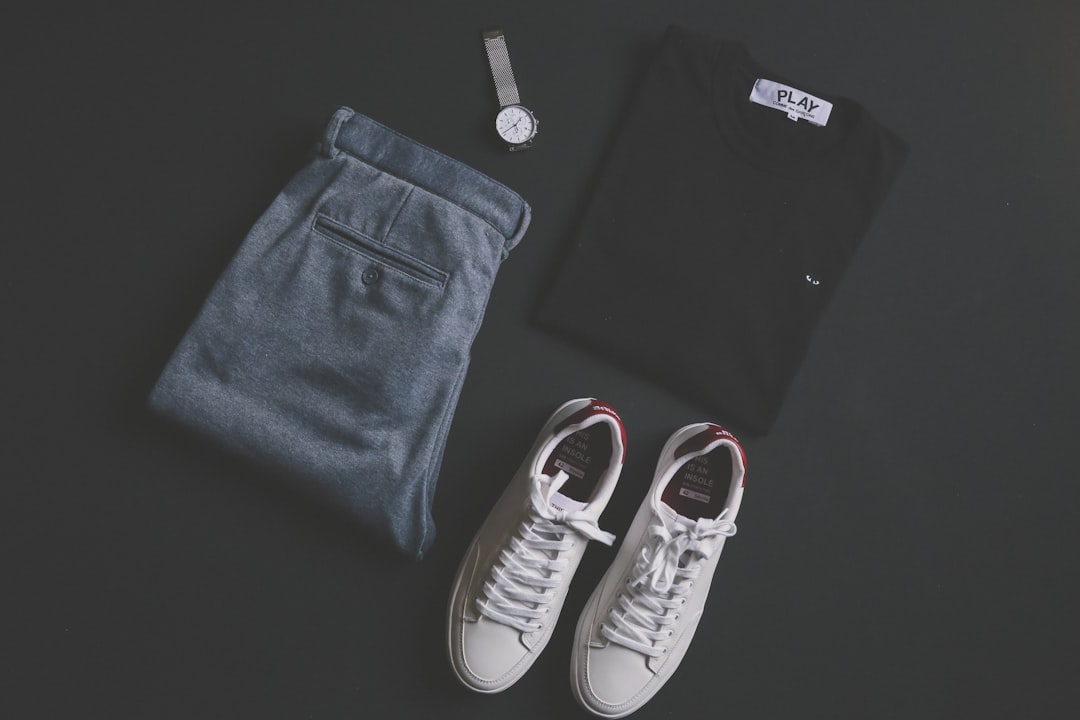 Photo by Mnz on Unsplash
The 12-Piece Secondhand-First Foundation
Before we build the five outfits, we need the pieces. This is not a shopping list—it’s a set of slots. You can fill them with thrifted finds, curated vintage, or pieces you already own. The rule is that every piece must work in at least two of the three show scenarios (festival, arena, outdoor). If it only works for one, it doesn’t earn a spot.
The Core Slots (9 pieces)
- A lightweight, non-sheer top with a collar. Think a cotton poplin button-down or a vintage camp shirt. This is your cover-up, your sun shield, and your “I made an effort” layer. Look for a midweight fabric that breathes but doesn’t wrinkle into a wet paper bag by hour three.
- A fitted tank or bodysuit in a neutral. Black, cream, or a deep olive. This lives under everything. Secondhand cotton tanks are everywhere—grab one with a thick strap and a ribbed knit that won’t stretch out mid-set.
- High-waisted denim shorts or a denim mini. The 2026 summer capsule research consistently points to a structured denim bottom as the anchor. Look for a mid-blue wash that isn’t distressed to the point of fragility. Thrift stores are full of Levi’s and Wrangler shorts that have already proven their durability.
- A midi or knee-length skirt in a woven fabric. Linen, cotton sateen, or a lightweight wool blend. This is your arena option—it reads polished enough for a seated venue but moves well for standing. The 70/30 Rule for Wardrobe Building applies here: this is a basic that does most of the work.
- Wide-leg linen or cotton trousers. The “good tailored trousers” that keep appearing in capsule guides are your outdoor-gig secret weapon. They feel like pajamas, look intentional, and protect your legs from grass and bugs. Find a pair secondhand in a stone or oat color.
- A simple mini or shift dress. Not a statement piece. A solid-color, structured mini dress that can be worn alone for festival heat or layered with the camp shirt for arena A/C. Think of it as a blank canvas, not the headliner.
- A lightweight, packable jacket or overshirt. A vintage denim jacket, a cotton chore coat, or a linen blazer. This is your temperature-regulating layer. It must be easy to tie around your waist or stuff in a tote.
- Flat leather sandals with a back strap. Not flip-flops. A Birkenstock-style or gladiator sandal that stays on your foot when you’re walking a mile from the parking lot. Secondhand leather sandals are a goldmine—look for worn-in footbeds that already conform to a shape.
- White low-top sneakers. Canvas or leather, no high-tops. They need to slip on quickly and survive a dusty field. A pair of secondhand Vejas or vintage Keds will do the job without looking like you’re about to run a 5K.
The Accessory Slots (3 pieces)
- A crossbody bag that fits a phone, card case, and lip balm. Nothing larger. The bag should sit flat against your body and have a zipper. Secondhand leather crossbodies from the 90s and early 2000s are everywhere and hold up better than most new vegan leather options. Use The Shopping Checklist for Buying a Secondhand Leather Bag That Actually Holds Up to inspect hardware and lining before you buy.
- A silk or cotton scarf. This is your multi-tool: headband, neck tie, bag strap wrap, wrist sweatband. A vintage silk scarf from a thrift store costs less than a cocktail and adds the only pattern in your capsule.
- A pair of classic sunglasses. Not trendy. A shape that suits your face and a dark enough tint to actually protect your eyes. Secondhand Ray-Bans or Persols are findable if you check the glass case at your local charity shop.
The Five Outfit Formulas
Each outfit is designed to hit one show scenario primarily, but the decision rules let you swap pieces across scenarios without starting from scratch. The formulas are built on the principle of “one hero piece, one neutral base, one layer option.” You will never wear all twelve pieces at once. You will wear combinations of five to seven per outfit.
Outfit 1: The Festival All-Day (Standing, Crowded, Hot)
This is your high-heat, high-movement outfit. You will be on your feet for six-plus hours, possibly in direct sun, possibly in a crowd that doesn’t respect personal space.
The formula: Tank + denim shorts + sneakers + crossbody + scarf
- Hero piece: The silk or cotton scarf, worn as a headband or tied around your wrist.
- Why it works: The tank and shorts are the lowest-friction combination for heat management. The sneakers give you ground contact without the panic of losing a sandal in a mosh pit. The crossbody stays put. The scarf absorbs sweat and gives you a visual anchor so you don’t look like you’re wearing gym clothes.
- Secondhand sourcing tip: Look for vintage concert tees cut into tank tops at thrift stores. They’re already broken in, and the graphic becomes a conversation starter. Pair with a high-waisted denim short in a darker wash—darker denim hides dust and grass stains better than light wash.
- When to wear this: Any festival with general admission, outdoor day stages, or street festivals where you’ll be standing the entire time.
Outfit 2: The Arena Evening (Seated, Air-Conditioned, Walking-Heavy)
Arena shows involve a different kind of endurance: long walks from parking to seat, temperature swings between concourse and arena bowl, and the need to look polished enough for a post-show dinner without looking overdressed for a Wednesday night.
The formula: Midi skirt + tank + camp shirt (open) + sandals + crossbody
- Hero piece: The midi skirt. It does the work of making the outfit read “intentional” while the tank and open camp shirt keep it casual.
- Why it works: The skirt gives you coverage for the air-conditioned arena without the bulk of pants. The camp shirt acts as a light jacket that you can remove and tie around your waist once you’re seated. The sandals are easy to slip off during the show if your feet swell from walking.
- Secondhand sourcing tip: A midi skirt in a textured fabric (linen, cotton pique, or a subtle stripe) reads more interesting than a flat solid. Check the men’s section for vintage camp shirts with mother-of-pearl buttons—they’re often better quality and cheaper than women’s versions. Use The Shopping Checklist for Buying a Secondhand Midi Skirt That Fits, Flatters, and Lasts to evaluate waistband condition and hem integrity.
- When to wear this: Arena shows, theater gigs, or any seated venue where you’ll walk more than a mile from transit.
Outfit 3: The Outdoor Lawn (Grass, Humidity, Sunset-to-Dark)
Lawn shows are the trickiest. You need to sit on the ground, stand for encores, and survive a temperature drop of 10°C or more between the opener and the headliner.
The formula: Wide-leg trousers + tank + denim jacket + sandals + scarf
- Hero piece: The wide-leg trousers. They protect your legs from grass, bugs, and damp ground while keeping you cool. The volume also means you can cross-legged sit without restriction.
- Why it works: The trousers are the anchor. The denim jacket goes on and off as the temperature shifts. The scarf can become a neck warmer or a seat marker if you need to get up for drinks. The sandals are easy to kick off when you’re on the blanket and back on when you stand.
- Secondhand sourcing tip: Linen trousers are a summer capsule staple, but they’re often too sheer or too wrinkled for concert use. Look for a cotton-linen blend in a midweight weave—it wrinkles less and holds its shape better. A vintage denim jacket with some fading already built in will look better than a stiff new one.
- When to wear this: Amphitheater lawn seats, outdoor jazz festivals, or any show where you’ll be sitting on a blanket for part of the night.
 Photo by Fachry Zella Devandra on Unsplash
Outfit 4: The Mini Dress Pivot (Festival-to-Arena Transition)
This is your “I don’t know what I’m walking into” outfit. It works for a day festival that moves into an evening arena show, or for a show where you have dinner plans before doors.
The formula: Mini dress + camp shirt (tied at waist) + sneakers + crossbody + sunglasses
- Hero piece: The mini dress. It’s the only piece you wear without a bottom layer, so it needs to stand alone. A solid color with a simple silhouette is the safest bet.
- Why it works: The camp shirt tied at the waist gives you a second layer of visual interest and a place to wipe your hands. The sneakers keep you mobile. The dress itself is one piece to put on and one piece to take off—minimum friction for a day that has multiple phases.
- Secondhand sourcing tip: Look for a mini dress with a defined waist or a tie detail. A-line shapes are more forgiving for eating before a show and for sitting on the ground. Avoid anything with heavy beading or embellishment—it will snag on bag straps and crowd shoulders.
- When to wear this: Multi-venue events, day-to-night transitions, or any show where you’ll be photographed and want to look intentional without trying hard.
Outfit 5: The Rain Check / Layered Emergency
Summer shows get rained on. This outfit assumes you’re prepared for a shower without carrying a poncho.
The formula: Trousers + camp shirt (buttoned) + denim jacket + sneakers + crossbody + scarf (as neck wrap)
- Hero piece: The denim jacket. It provides the most coverage and the most warmth. If rain hits, the jacket takes the worst of it while your shirt and trousers stay relatively dry.
- Why it works: Every piece in this outfit can get damp without being ruined. Cotton and linen dry quickly. The sneakers have better grip on wet grass than sandals. The scarf protects your neck from rain runoff if you’re standing in the open.
- Secondhand sourcing tip: A waxed cotton jacket is a better rain option than denim, but harder to find secondhand. If you spot one at a vintage store, grab it. Otherwise, a well-worn denim jacket that’s already been through a few washes will have a tighter weave that sheds light rain better than a stiff new one.
- When to wear this: Outdoor shows with a rain forecast, evening shows in coastal cities, or any show where you know you’ll be walking home.
Decision Rules for Quick Packing
You don’t have time to rebuild this capsule every time a show comes up. Memorize these three rules, and you can pack in ten minutes.
- Rule 1: One bottom per scenario. You have three bottoms (shorts, skirt, trousers). Each one is the primary bottom for one show type. You never bring two bottoms to the same show unless you’re doing a day-to-night transition.
- Rule 2: The layer is your insurance. The camp shirt and the denim jacket are your two layers. You bring one or both depending on the temperature range. If the forecast says 22–30°C, bring both. If it says 28–35°C, bring the shirt only.
- Rule 3: Shoes dictate the vibe. Sneakers for festival and rain. Sandals for arena and lawn. You never bring both to the same show unless you’re driving and can leave the extras in the car.
The Comparison: What Each Show Type Actually Requires
| Scenario | Primary Bottom | Footwear | Must-Have Layer | Risk Factor |
|---|---|---|---|---|
| Festival (standing, hot, dusty) | Denim shorts | Sneakers | Scarf (as headband) | Overheating, crowd crush |
| Arena (seated, A/C, walking) | Midi skirt | Sandals | Camp shirt (open) | Temperature swing, long walk |
| Outdoor lawn (grass, humidity, dusk) | Wide-leg trousers | Sandals | Denim jacket | Damp ground, temperature drop |
| Transitional (day-to-night, mixed) | Mini dress | Sneakers | Camp shirt (tied) | Photogenic fatigue, dinner awkwardness |
| Rain / cool evening | Trousers | Sneakers | Denim jacket (waxed if possible) | Wet fabric, slippery ground |
Repeatable Outfits, Not One-Off Looks
The trap of concert dressing is the belief that each show requires a new outfit. That belief is what fills your closet with single-wear purchases and what makes you stand in front of an open drawer feeling like you have nothing. The capsule approach flips that: you build a small set of pieces that are designed to be worn in rotation, and you accept that the same denim jacket will appear in multiple concert photos across the summer.
This is not about being boring. It’s about being intentional. When you know that your wide-leg trousers work for lawn shows and also for the work-from-home days when you need to look presentable on a video call, you stop buying the novelty piece that you’ll wear once and donate. The 2026 summer capsule research consistently shows that the most successful wardrobes are built around versatility, not volume. The same principle applies to your concert rotation.
Start with the pieces you already own. Pull your denim shorts, your simplest dress, your most comfortable sandals. See how many of the five outfit formulas you can build without buying anything. If you need to fill a slot, hit your local thrift store first—the secondhand market for summer basics is deep, and the pieces have already proven they can survive a season. A linen blazer from a 90s career woman’s closet will outlast anything from a fast-fashion drop.
The next time a show lands on your calendar, you won’t panic. You’ll pull your twelve pieces, choose your scenario, and walk out the door with an outfit that works before the first chord hits.