You’re staring at a closet packed to the brim, yet you feel like you have nothing to wear. You’ve bought linen dresses that wrinkled into oblivion after one wash, a silk blouse you’re too afraid to dry-clean, and a “trendy” pair of shoes that hurt after twenty minutes. The frustration isn’t that you don’t have clothes—it’s that your clothes don’t work together. This is the exact tension the 3-3-3 rule for fashion was designed to solve. It’s a packing hack, yes, but also a full-blown system for building a sustainable wardrobe that actually functions.
The 3-3-3 rule is deceptively simple: choose 3 tops, 3 bottoms, and 3 pairs of shoes. From those nine items, you mix and match to create a variety of outfits. But reducing it to a number misses the point. The real power of the 3-3-3 method lies in how it forces you to evaluate the material, cut, and versatility of every piece you own. When you apply this framework to your entire wardrobe, you stop chasing volume and start investing in the fabrics and fits that earn their keep.
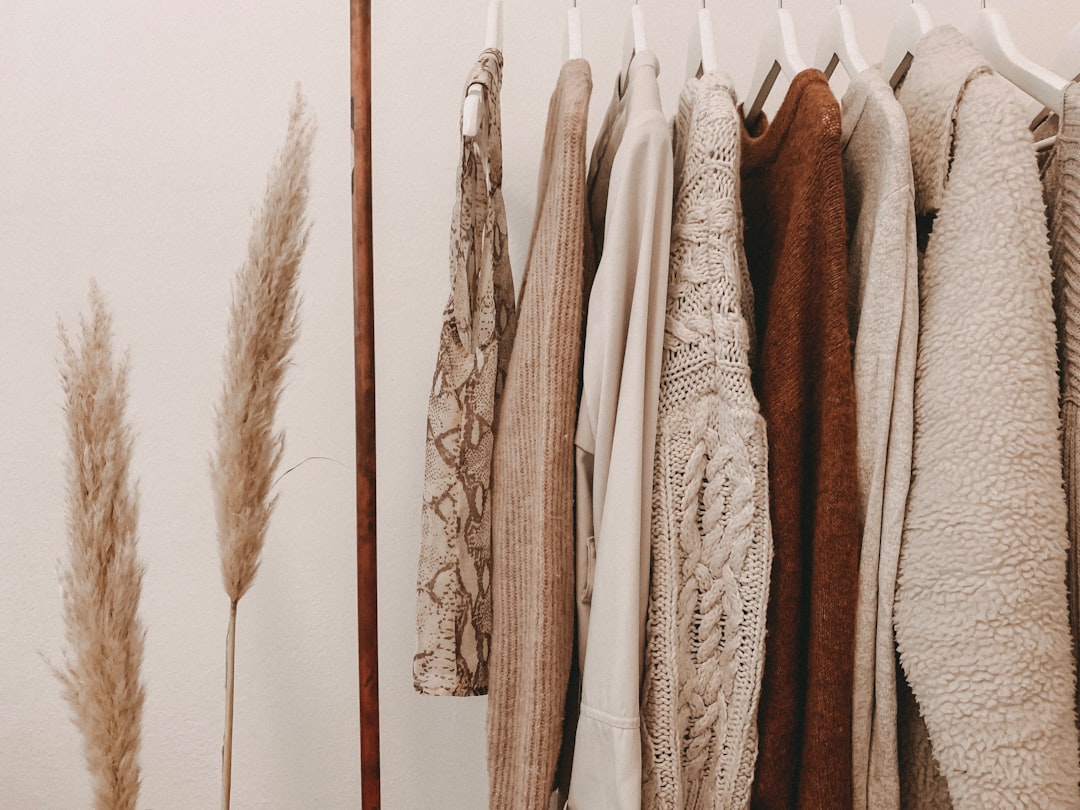 Photo by Alyssa Strohmann on Unsplash
How the 3-3-3 Rule Actually Works as a Material Strategy
The original 3-3-3 rule is often marketed as a travel hack. You pack nine items, you get a week’s worth of outfits, and you avoid checking a bag. That’s useful, but it treats clothing as interchangeable placeholders. For the conscious wardrobe builder, the 3-3-3 rule is better understood as a material test: does this fabric earn a spot in my tiny rotation?
The Tops: Fabric That Works Overtime
When you only have three tops, each one must perform across multiple contexts. A third-party linen-cotton blend (roughly 55% linen, 45% cotton) is a strong candidate because it retains linen’s breathability while reducing the aggressive wrinkling that makes pure linen look sloppy by noon. Pure cotton jersey is reliable for casual days but shows wear quickly—pilling under the arms, fading after ten washes. A silk or Tencel Lyocell blouse, on the other hand, handles dressier occasions and transitions from day to night without a second thought.
Your three tops should represent three different material categories:
- A structured natural fiber (linen-cotton blend, heavyweight cotton poplin)
- A drapey cellulosic fiber (Tencel Lyocell, cupro, viscose)
- A soft, breathable knit (organic cotton jersey, merino wool)
This material diversity ensures you have a top for every temperature and dress code. If you choose three identical cotton T-shirts, you’ve failed the test—you’ve created redundancy, not versatility.
The Bottoms: Cut and Fabric Density Matter
Bottoms take more abuse than tops. They rub against chairs, car seats, and your own thighs. The 3-3-3 rule demands bottoms that hold their shape and resist pilling. Look for fabrics with a higher thread count or tighter weave. A pair of 100% organic cotton denim (at least 10 oz. weight) will outlast a stretchy polyester-blend jean by years. A wide-leg trouser in a wool-cashmere blend or a heavyweight linen-cotton twill offers polish without the dry-cleaning burden of pure wool.
Avoid bottoms made from “vegan leather” or polyurethane-coated fabrics if you want longevity. These materials crack and peel within two years, and they are nearly impossible to repair. A well-maintained pair of secondhand leather pants, by contrast, can last decades—but they require a specific care routine and aren’t for everyone.
The Shoes: The Real Gatekeepers of Your Outfit
Shoes are the most overlooked component of the 3-3-3 rule. Three pairs of shoes must cover every scenario: work, weekend, exercise, and something in between. This is where material choice becomes non-negotiable.
- A leather loafer or ballet flat (full-grain or top-grain leather, not bonded leather) molds to your foot over time and can be resoled.
- A canvas or leather sneaker (cotton canvas or vegetable-tanned leather) handles casual days and travel.
- A low heel or ankle boot (leather upper, rubber sole) bridges the gap between dressy and practical.
Synthetic shoes (PVC, “man-made materials”) often feel stiff, don’t breathe, and cannot be repaired. They also shed microplastics with every wear. If you’re building a 3-3-3 capsule, your shoe budget should be your highest per-item investment because shoes absorb the most wear and tear.
Where the 3-3-3 Rule Excels
The 3-3-3 rule shines in specific scenarios. Understanding these contexts helps you decide when to apply it strictly and when to adapt it.
Travel and Packing Light
This is the rule’s native habitat. When you limit yourself to nine items, you eliminate the “what if” anxiety that leads to overpacking. The rule forces you to choose pieces that mix and match across at least three distinct outfit categories: casual, work-appropriate, and evening. A merino wool T-shirt, for example, can be worn to a museum, a nice dinner, and a morning hike without looking out of place. A linen-cotton button-down works for a client meeting (tucked into trousers) and a beach walk (unbuttoned over a tank top).
For a detailed breakdown on how to apply this to specific travel contexts, see our guide on How to Build a 5-Outfit Concert Capsule That Works for Any Summer Show—the same material-first thinking applies to any trip.
Breaking the Spiral of Overconsumption
The 3-3-3 rule is an antidote to the “one more purchase will fix my wardrobe” loop. When you commit to wearing only nine items for a defined period (say, two weeks or a month), you confront the gaps in your wardrobe directly. You realize you don’t need a fifth black top—you need a top in a different fabric weight or neckline. This clarity reduces impulse buys and builds a deeper understanding of your personal style.
Testing a New Material or Silhouette
Before you commit to a full wardrobe of Tencel Lyocell or wide-leg trousers, run a 3-3-3 test. Buy or thrift one top, one bottom, and one pair of shoes in the new material or silhouette. Wear them exclusively for a week. Does the fabric hold up to your daily routine? Does the cut flatter your body type? If the answer is no, you’ve saved yourself from a costly mistake.
Where the 3-3-3 Rule Falls Short
No system is perfect, and the 3-3-3 rule has blind spots that can trip up even the most intentional dresser.
It Assumes a Uniform Climate
The rule works beautifully in temperate climates where you can wear the same nine items for weeks. It struggles in places with dramatic seasonal shifts. If you live somewhere with 90°F summers and 30°F winters, your 3-3-3 rotation will need to change entirely every three months. That’s fine—the rule is meant to be cyclical, not permanent—but it requires you to own more than nine items across the year.
It Ignores Undergarments, Layering Pieces, and Accessories
The 3-3-3 rule typically excludes bras, socks, tights, jackets, and scarves. That’s a problem because layering is how you extend the life of your nine items across different temperatures and dress codes. A merino wool cardigan or a secondhand blazer can transform a simple T-shirt and jeans into a polished office outfit. If you follow the rule too rigidly, you miss these multipliers.
For a deeper look at how layering pieces like blazers function in a capsule, read How to Style a Secondhand Blazer 3 Ways.
It Doesn’t Account for Laundry Cycles
Three tops sounds manageable until you spill coffee on one, sweat through another at the gym, and need a third for a dinner date. Realistically, you need a buffer for laundry days. Consider a “3-3-3 plus one” variation: three tops, three bottoms, three shoes, plus one wildcard (a dress, a jumpsuit, or a statement jacket). This gives you breathing room without breaking the spirit of the rule.
The Material Trade-Offs You Need to Know
Choosing nine items means choosing nine materials. The table below compares the most common fabric candidates for a 3-3-3 rotation across key performance metrics.
| Material | Breathability | Wrinkle Resistance | Durability | Care Level | Best For |
|---|---|---|---|---|---|
| Linen-cotton blend | High | Medium | High | Machine wash, low tumble dry | Tops, summer trousers |
| Tencel Lyocell | High | High | Medium | Machine wash gentle, hang dry | Blouses, drapey pants |
| Organic cotton denim | Medium | Low | Very high | Machine wash cold, line dry | Jeans, jackets |
| Merino wool | Very high | High | Medium | Hand wash or delicate cycle, lay flat | Knit tops, base layers |
| Full-grain leather | Low | Very high | Very high | Wipe clean, condition every 6 months | Shoes, belts |
| Polyester-blend jersey | Low | Very high | Medium | Machine wash, low heat | Activewear, casual tees |
| Cupro | High | Medium | Medium | Dry clean or hand wash | Blouses, linings |
Claims to question: “Wrinkle-free” often means the fabric has been treated with formaldehyde resin, which off-gasses and can irritate skin. “Stain-resistant” usually implies a PFAS coating, which persists in the environment. If you see these claims on a synthetic fabric, proceed with caution. Natural fibers can be wrinkle-prone, but they breathe better and don’t shed microplastics.
How to Audit Your Current Closet Using the 3-3-3 Method
You don’t need to buy anything to start. Pull nine items from your existing wardrobe: three tops, three bottoms, three shoes. Wear only those items for one week. At the end of the week, ask yourself:
- Which item did I reach for most? Why? (Fit? Fabric? Color?)
- Which item did I avoid? Why? (Uncomfortable? Hard to style? Poor material?)
- Did I feel limited, or did I feel relieved?
This audit reveals the emotional and practical weight of your clothing. You’ll likely discover that your favorite items share a material profile—maybe you always choose your linen-cotton button-down over your polyester blouse. That’s data. Use it to guide your future purchases.
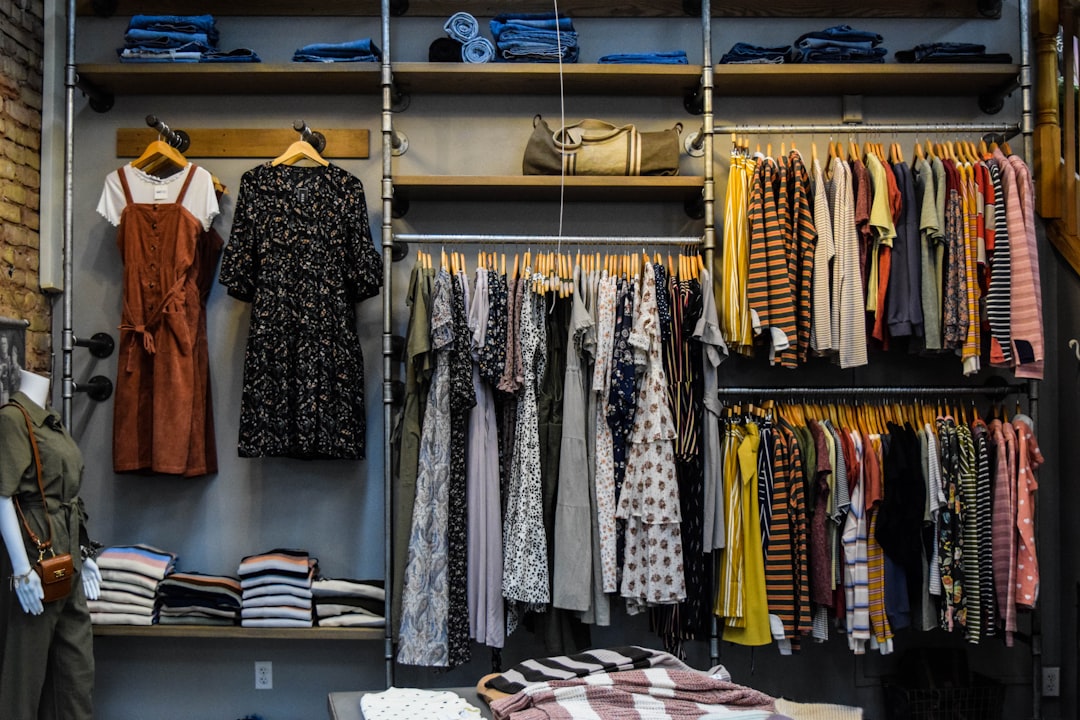 Photo by Burgess Milner on Unsplash
The 3-3-3 Rule vs. Project 333: What’s the Difference?
You’ve probably heard of Project 333, the minimalist challenge where you wear only 33 items (including accessories, outerwear, and shoes) for three months. The 3-3-3 rule is a smaller, more portable version. Project 333 is better for a full wardrobe overhaul; the 3-3-3 rule is better for a two-week reset or a travel capsule.
Both systems share a core philosophy: constraints create clarity. But the 3-3-3 rule is more forgiving. It doesn’t ask you to commit for a full season. It asks you to try on a smaller life for a little while and see how it feels.
If you’re interested in a longer-term approach, our 70/30 Rule for Wardrobe Building offers a complementary framework that balances basics and statement pieces without the strict numerical limit.
Questions to Ask Before You Buy
Before you add any item to your 3-3-3 rotation, run it through this checklist. If you can’t answer “yes” to at least three of these, leave it on the rack.
- Does this material perform in at least two of these categories: breathable, wrinkle-resistant, durable, easy-care? A linen-cotton blend checks three. A pure silk blouse checks one (breathable) and fails on wrinkle resistance and easy care.
- Can this item be worn with at least two of my other 3-3-3 items? If your new top only works with one pair of pants, it’s a liability, not an asset.
- Does this shoe have a resoleable sole? Look for Goodyear welt or Blake stitch construction. If the sole is glued on, the shoe is disposable.
- Is the fabric content listed clearly and honestly? Beware of vague terms like “fabric blend” or “man-made materials.” You want exact percentages.
- Can I repair this if it breaks? A leather bag can be stitched. A wool sweater can be darned. A polyurethane coat cannot be fixed.
- Would I choose this item if I could only own nine pieces of clothing? This is the ultimate test. If the answer is no, don’t buy it.
Your Next Step: The Two-Week 3-3-3 Challenge
You don’t need a new wardrobe to start. You need a new way of seeing what you already own. Here’s your assignment:
- Select your nine items today. Don’t overthink it. Pick the three tops, three bottoms, and three shoes you wear most often.
- Wear only those items for 14 days. No shopping. No borrowing. No “emergency” purchases.
- Keep a one-sentence journal each day. Note what felt easy, what felt frustrating, and what surprised you.
At the end of two weeks, you’ll know exactly which materials and cuts deserve a permanent spot in your wardrobe. You’ll also know which items you’re ready to release. That’s the real work of sustainable style—not buying better, but choosing fewer, more carefully.
For additional support on sourcing quality secondhand pieces that will earn a spot in your rotation, see our Shopping Checklist for Buying a Secondhand Blazer That Fits Like It’s Tailored and our guide on Secondhand Midi Skirt Shopping Checklist.