You’ve been there. You’re scrolling through a new arrivals page, looking for a breezy blouse or a dress with a nice drape. You check the fabric composition tag, and there it is: 100% Viscose. The description calls it “silky,” “flowy,” and “plant-based.” You feel a flicker of relief—it’s not polyester. It comes from trees. That’s good, right?
Then you look at the price. It’s $38. You wonder how something made from trees can cost less than a takeout dinner. You remember reading something about “closed-loop systems” and “chemical runoff,” but you aren’t sure which labels are real and which are just green paint.
Viscose is one of the most confusing fabrics in the sustainable fashion conversation. It is technically a semi-synthetic fiber made from renewable wood pulp, but its production process can be heavily polluting. It can feel like a guilty pleasure or a smart choice, depending entirely on how it was made. This guide will break down exactly what viscose is, how it compares to its cousins Lyocell and Modal, and how to spot the difference between a well-made viscose dress and a greenwashed one.
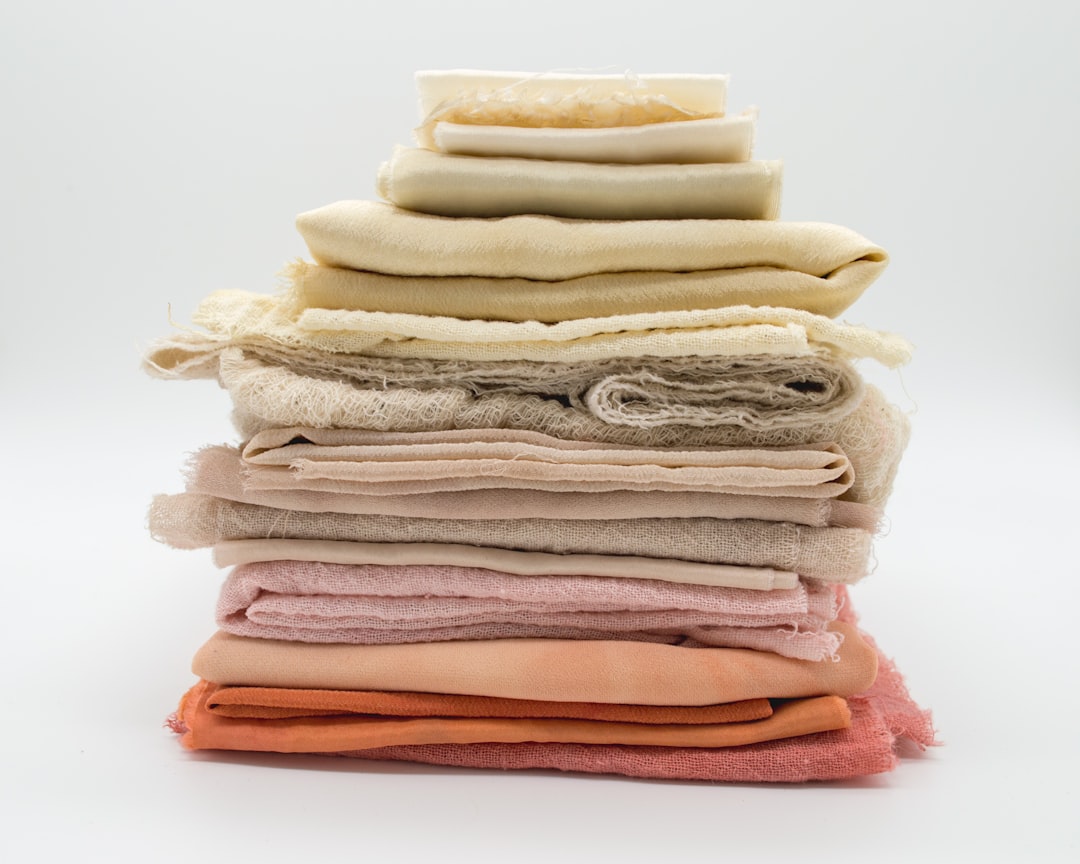 Photo by Mel Poole on Unsplash
What Is Viscose, Really? The Chemistry of a Semi-Synthetic
To understand viscose, you have to look at the raw material and the process that transforms it into thread.
Viscose is a type of rayon. In fact, the terms are often used interchangeably in the US, though “viscose” is the more common term in Europe and the UK. The fiber starts as cellulose—usually wood pulp from trees like eucalyptus, beech, pine, or bamboo. The problem is that cellulose fibers are too short and disorganized to spin directly into yarn, unlike cotton or linen. So, manufacturers dissolve the wood pulp using a chemical cocktail, then extrude it through a spinneret (like a fancy showerhead) to form long, continuous filaments.
This process is called the viscose process. The chemistry is straightforward, but the environmental cost is not.
The Dirty Secret of Conventional Viscose
The conventional process uses carbon disulfide and sodium hydroxide to break down the wood pulp. These chemicals are harsh. Carbon disulfide is toxic to workers and can contaminate local water supplies if not properly treated. Historically, many viscose factories in developing countries have released this wastewater directly into rivers.
Additionally, the process is “open-loop,” meaning the chemicals are used once and then discarded. This leads to high water toxicity and significant waste.
Where It Shines (Despite the Process)
Despite its messy manufacturing, viscose has some redeeming qualities that make it a popular choice for dresses and blouses:
- Drape: Viscose has a fluid, soft hand feel that mimics silk at a fraction of the cost.
- Breathability: Unlike polyester, viscose is breathable and absorbent, making it comfortable for summer dresses and blouses worn close to the skin.
- Dye Affinity: Viscose takes dye very well, resulting in vibrant, rich colors that don’t fade as quickly as some natural fibers.
The tension is real: a fiber that feels great and looks beautiful, but comes with a heavy environmental footprint. The solution isn’t to avoid all viscose, but to learn how to identify the good stuff.
Viscose vs. Lyocell vs. Modal vs. Tencel: Decoding the Family Tree
This is where most shoppers get lost. Viscose, Modal, and Lyocell are all types of rayon. They are all made from wood pulp. The difference lies in the manufacturing chemistry. Tencel is a brand name (owned by Lenzing AG) for a specific type of Lyocell or Modal fiber.
Think of it this way: Viscose is the baseline. Modal is an improvement. Lyocell is the premium upgrade. Tencel is the gold standard.
The Key Differences in Production
| Fiber | Common Name | Production Process | Environmental Impact | Typical Feel |
|---|---|---|---|---|
| Viscose | Rayon | Open-loop, uses carbon disulfide and caustic soda. High chemical waste. | High. Water pollution and worker health risks. | Soft, drapey, can be slightly slimy. |
| Modal | High-wet-modulus rayon | Modified viscose process. Uses fewer chemicals and higher-grade pulp. | Moderate. Better than viscose, but still often open-loop. | Softer and stronger than viscose, less prone to pilling. |
| Lyocell | Lyocell | Closed-loop solvent spinning. Uses NMMO, a non-toxic solvent that is recycled at a rate of 99%+. | Low. Minimal waste, low water usage. | Smooth, strong, wrinkle-resistant, luxuriously soft. |
| Tencel | Tencel Lyocell / Tencel Modal | Brand name for Lenzing’s specific closed-loop Lyocell and Modal production. | Very low. Certified by EU Ecolabel. | Extremely soft, durable, and consistent. |
Why This Matters for Your Wardrobe
If you buy a viscose dress from a fast-fashion retailer, you are likely buying a product made through a conventional, open-loop process. It will feel nice initially, but it may lose its shape, pill, or shrink after a few washes.
If you buy a Tencel Lyocell blouse, you are buying a fiber produced in a closed-loop system where 99% of the solvent is recovered and reused. The fiber is stronger, more durable, and has a lower environmental footprint.
Modal sits in the middle. It is often softer than viscose and more durable, but its sustainability depends on the mill. Look for Lenzing Modal (which is a Tencel brand product) to ensure a more responsible process.
Is Viscose a Sustainable Fabric Choice for Dresses and Blouses?
The short answer: It depends entirely on the source and the certification.
Conventional viscose is not a sustainable choice. It is a semi-synthetic fiber that relies on toxic chemistry and often comes from poorly managed forests. However, viscose is still significantly better than fully synthetic fabrics like polyester or nylon, which are derived from fossil fuels and shed microplastics into the water supply.
The real question is: Which viscose are you buying?
The Case for Responsible Viscose
There are responsible mills and innovations in the viscose space. The most notable is LENZING™ ECOVERO™ viscose. This is a branded viscose fiber produced by Lenzing, the same company behind Tencel. ECOVERO uses a closed-loop process for its viscose production, reducing water impact and emissions compared to generic viscose. It also sources wood from certified sustainable forests.
When you see the ECOVERO label, you are buying a viscose product that has a verified, lower environmental impact. It is not as good as Tencel Lyocell, but it is a defensible choice if you prefer the feel of viscose.
Where Viscose Falls Short (Even the Good Stuff)
Even responsible viscose has limitations:
- Durability: Viscose fibers are weaker than Lyocell or cotton when wet. This means your viscose dress is more prone to tearing or losing its shape if you machine wash it aggressively.
- Care: Most viscose requires gentle washing (cold water, delicate cycle, or hand wash) and air drying. This is a commitment.
- Sourcing Transparency: Many brands simply say “viscose” on the tag. Without a certification like FSC (Forest Stewardship Council) for the wood pulp or a specific fiber label like ECOVERO, you have no way of knowing if the trees came from a protected rainforest or a responsibly managed plantation.
The Verdict for Dresses and Blouses
For a blouse that you will wear for years, Tencel Lyocell is the superior choice. It has the same silky drape as viscose but is stronger, more wrinkle-resistant, and far more sustainable.
For a dress where you love the specific drape and color of a viscose piece, look for ECOVERO or Lenzing Viscose. If you find a secondhand viscose dress that you love, buy it. The most sustainable garment is the one that already exists.
How to Spot Greenwashing and Read the Label
Brands know that “viscose” sounds natural. They will often lean into the “made from plants” narrative without mentioning the chemistry. Here is how to cut through the noise.
Red Flags on the Tag
- “Bamboo Viscose”: This is a marketing term. Bamboo is the plant, but the fiber is still viscose. It is processed exactly the same way and has the same environmental problems. There is no such thing as “bamboo fabric” that is not a chemically processed rayon.
- “Eco-Friendly Viscose” (without a certification): This is meaningless. A brand can claim eco-friendliness without any third-party verification.
- “Sustainable Rayon” (generic): Rayon is a generic term. Without a specific brand like Tencel or ECOVERO, you are likely buying conventional viscose.
Green Flags on the Tag
- “TENCEL™ Lyocell” or “TENCEL™ Modal”: This is the gold standard. Closed-loop, low impact.
- “LENZING™ ECOVERO™ Viscose”: This is the responsible viscose option. It has a verified lower carbon and water footprint.
- “FSC Certified” or “PEFC Certified”: This tells you the wood pulp came from a sustainably managed forest. It does not guarantee a clean chemical process, but it is a good sign.
- “Made in a mill with a closed-loop system”: Some smaller, transparent brands will explicitly state this. It is a strong indicator of responsible production.
For a deeper dive into how to read these tags and spot misleading claims, see our guide on How to Spot Greenwashing When Shopping for Sustainable Fashion: A 5-Step Checklist for Reading Between the Lines.
Questions to Ask Before You Buy
Before you add that viscose dress or blouse to your cart, run it through this short checklist. It will help you separate a genuinely thoughtful purchase from an impulse buy that might disappoint you in three washes.
- What is the exact fiber name on the tag? Is it just “Viscose,” or does it say “TENCEL Lyocell” or “LENZING ECOVERO Viscose”? If it is generic viscose, proceed with caution.
- Is the garment high-quality construction? Viscose can be flimsy. Check the seams, the hem, and the buttonholes. A poorly made viscose dress will not last. A well-made one can be a staple for years.
- Am I willing to follow the care instructions? If you hate hand washing or air drying, viscose is probably not for you. Lyocell is much more forgiving. If you want a low-maintenance summer staple, consider linen instead. Here is our guide on How to Care for Linen Like a Pro for comparison.
- Is this a trend piece or a forever piece? Viscose is great for a trendy blouse you want to wear for one or two seasons. For a core wardrobe piece you want to wear for years, invest in Tencel Lyocell or a natural fiber like organic cotton or linen.
- Could I find this secondhand? Because viscose is so common in fast fashion, it is abundant on resale sites. Buying a secondhand viscose dress is the most sustainable option. It bypasses the entire production question. Check out our guide on How to Build a Sustainable Wardrobe on a Budget: The 5-Step Secondhand-First Strategy for tips.
The Bottom Line for Your Wardrobe
Viscose is not inherently evil, but it is not inherently sustainable either. It is a material that requires scrutiny. The best approach is to prioritize fibers with verified certifications—TENCEL Lyocell for durability and sustainability, or LENZING ECOVERO for a responsible viscose option. When you do buy conventional viscose, buy it secondhand, or treat it as a short-term piece that you will wear heavily and then pass on.
Your wardrobe is a collection of choices, not a test of moral purity. The goal is to make informed decisions that align with your values and your lifestyle. The next time you see that “silky viscose blouse,” you will know exactly what you are looking at—and exactly what questions to ask.