You’re standing in a bedroom, staring at a dress you bought online. The listing said “sustainable viscose.” The tag says “100% Tencel Lyocell.” You know viscose has a reputation problem—chemical runoff, deforestation—but this feels different. It’s soft, it drapes like a dream, and the brand called it eco-friendly. Yet somewhere in the back of your mind, a question nags: Is this actually better, or did I just pay for good marketing?
You’re not alone. The confusion between viscose, rayon, modal, lyocell, and Tencel is one of the most persistent knots in conscious shopping. And when you’re trying to build a wardrobe that feels good and does good, getting the answer wrong can mean investing in a fabric that’s only pretending to be sustainable.
Let’s untangle it.
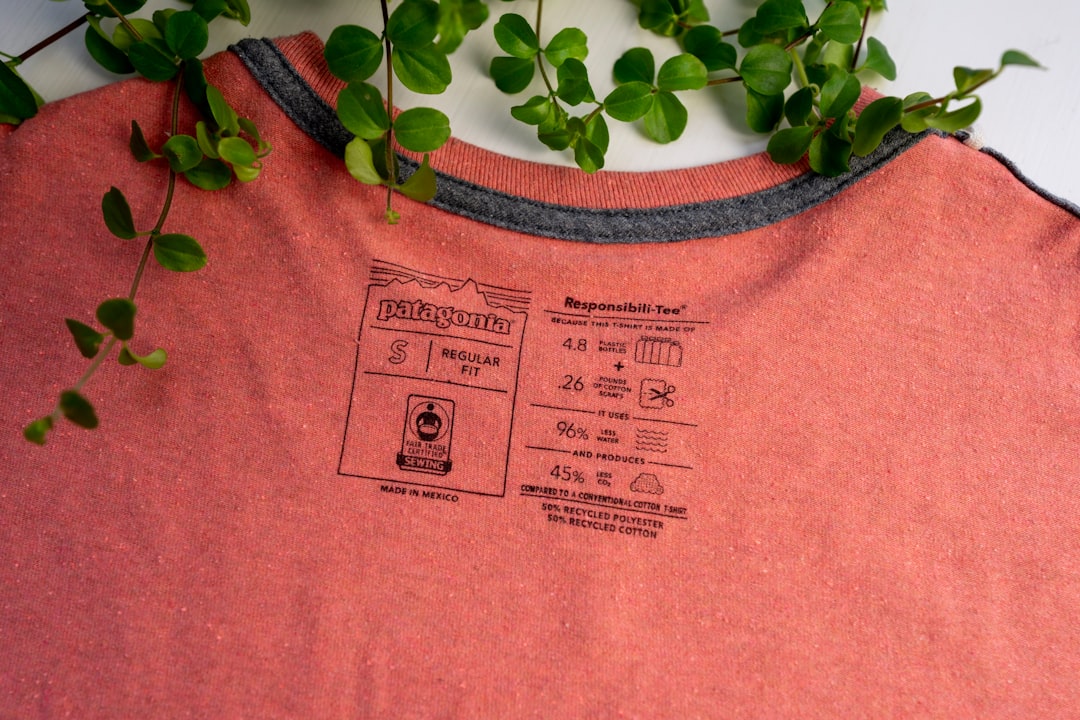 Photo by Hendrik Morkel on Unsplash
What Tencel Lyocell Actually Is (And Isn’t)
Let’s start with the vocabulary trap. Tencel is not a fiber. It’s a brand name owned by the Austrian company Lenzing AG. Under that brand, Lenzing produces two types of fibers: Tencel Lyocell and Tencel Modal. When you see “Tencel” on a garment tag, you’re almost certainly looking at lyocell—but technically, you’re looking at a branded version of it.
Lyocell itself is a type of rayon. Yes, the same family as viscose. All rayon fibers start as cellulose—usually wood pulp—that’s dissolved into a liquid and then extruded into fibers. The difference lies in the chemistry used to dissolve that pulp.
- Viscose uses carbon disulfide and sodium hydroxide in an open-loop system. Much of the chemical waste goes into wastewater.
- Lyocell uses a non-toxic solvent called N-methylmorpholine N-oxide (NMMO) in a closed-loop system. The solvent is recovered at a rate of over 99% and reused, meaning almost no chemical waste enters the environment.
That closed-loop process is the single most important distinction. It’s why Tencel Lyocell has become the poster child for “sustainable rayon” while conventional viscose remains a target of environmental criticism.
But wait—isn’t it all just rayon?
Yes, and that’s where the confusion deepens. In the U.S., the Federal Trade Commission classifies lyocell as a subcategory of rayon. So legally, a garment labeled “rayon” could be viscose, modal, or lyocell. But brands that use Tencel Lyocell almost always call it out by name because it carries a sustainability premium.
If you see “rayon” on a tag with no further detail, assume it’s conventional viscose unless the brand explicitly states otherwise.
How Lyocell Performs in Real Life: Dresses, Basics, and Everything Between
Sustainability credentials matter, but a fabric that’s good for the planet but pills after three washes isn’t a win for your wardrobe. So how does lyocell actually hold up?
The good: Where lyocell shines
Moisture management. Lyocell is a champion at wicking moisture away from the skin. It absorbs 50% more moisture than cotton while still feeling dry to the touch. That makes it an excellent choice for summer dresses, base layers, and anything you’ll sweat in.
Drape and softness. The fiber is fine and flexible, giving lyocell a fluid, almost silky hand feel. It falls beautifully in bias-cut dresses, wide-leg trousers, and relaxed blouses. If you’ve ever tried a Tencel dress and thought it felt like a nicer version of viscose, you’re right.
Durability. Lyocell is stronger than both viscose and modal, especially when wet. That matters because wet strength is what determines whether a garment survives the washing machine. Lyocell resists pilling better than most plant-based fibers and holds its shape through repeated wear.
Breathability and temperature regulation. The fiber structure allows air to circulate, making it cooler than polyester blends and more comfortable than cotton in humid conditions. For anyone who runs warm or lives in a climate where summer lasts six months, lyocell is a reliable staple.
The not-so-good: Where lyocell falls short
Wrinkling. While lyocell is less prone to wrinkling than viscose, it’s not wrinkle-free. A tightly woven lyocell dress will hold up better than a loose weave, but expect some creasing after sitting for long periods.
Care sensitivity. Lyocell can shrink if washed in hot water or tossed in a high-heat dryer. Many brands recommend cold wash and line drying—not because the fabric is fragile, but because the fiber structure responds to heat in ways that can alter the garment’s fit.
Price. Tencel Lyocell costs more than conventional viscose. That premium reflects the closed-loop production process and the certified sourcing of wood pulp. You’re paying for a cleaner supply chain, not just a nicer hand feel.
Fabric finish matters. Not all lyocell is created equal. A cheaply finished lyocell garment can still pill or lose its shape. The fiber is excellent, but the quality of the weave, dye, and cut ultimately determines how long the garment lasts.
 Photo by engin akyurt on Unsplash
Tencel Lyocell vs. Viscose: The Sustainability Showdown
This is the comparison that matters most for conscious shoppers. Here’s how the two stack up across the key environmental metrics.
| Factor | Tencel Lyocell | Conventional Viscose |
|---|---|---|
| Solvent used | NMMO (non-toxic, 99%+ recovered) | Carbon disulfide (toxic, largely unrecovered) |
| Production system | Closed-loop | Open-loop |
| Water usage | Significantly lower | High |
| Energy usage | Lower per unit of fiber | Higher per unit of fiber |
| Carbon emissions | Lower | Higher |
| Wood sourcing | Lenzing sources from certified sustainable forests (FSC/PEFC) | Varies widely; some sources linked to deforestation |
| Biodegradability | Fully biodegradable in home compost or soil | Fully biodegradable, but toxic residues may remain |
| Cost to consumer | Higher | Lower |
The most critical difference is the closed-loop system. In conventional viscose production, carbon disulfide is released into the air and water, causing serious health and environmental harm. Lyocell’s closed-loop process captures and reuses the solvent, virtually eliminating chemical waste.
But there’s a catch: the closed-loop advantage applies specifically to Tencel Lyocell from Lenzing. Generic lyocell from other manufacturers may or may not use the same process. Some producers use a similar closed-loop system; others cut corners. When you see “lyocell” without the Tencel brand, it’s worth asking the brand for details on their supplier’s production methods.
What about modal?
Modal is another rayon variant, often positioned as a middle ground between viscose and lyocell. It uses a modified viscose process that’s slightly less toxic but still not fully closed-loop. Lenzing’s Tencel Modal is produced with a higher recovery rate than conventional modal, but it’s not as clean as lyocell.
For dresses and basics, modal is softer than lyocell but less durable. It’s a decent choice for pajamas and loungewear, but for pieces you want to wear for years, lyocell is the stronger bet.
How Lyocell Compares to Other Sustainable Fabrics
Lyocell is often compared to organic cotton, linen, and bamboo. Here’s a quick orientation.
Lyocell vs. organic cotton. Organic cotton uses significantly more water and land per pound of fiber than lyocell. But cotton is a known, predictable fiber—you know how it will wash, wear, and feel. Lyocell offers better moisture management and a silkier drape, making it a better choice for fitted dresses and summer tops.
Lyocell vs. linen. Linen is the low-waste champion—flax requires minimal water and no pesticides. But linen wrinkles aggressively and has a stiff hand feel that not everyone loves. Lyocell offers a similar breathability with a softer, more fluid drape. For a structured blazer or trousers, choose linen. For a flowing dress or soft button-down, choose lyocell.
Lyocell vs. bamboo. Bamboo fabric is often marketed as sustainable, but most bamboo rayon is produced using the same toxic viscose process. Unless the label specifically says “bamboo lyocell” (which uses the closed-loop process), assume it’s conventional viscose made from bamboo pulp. Tencel Lyocell is the more reliable sustainable choice.
Questions to Ask Before You Buy
You’ve read the research. You know lyocell is the better option over viscose. But how do you separate genuinely sustainable garments from greenwashed ones? Before you click “add to cart,” ask these five questions.
1. Does the brand specify which type of lyocell they use? If the tag just says “lyocell,” that’s a starting point. But if the brand can’t tell you whether it’s Tencel Lyocell from Lenzing or a generic lyocell from an unknown supplier, you’re taking a risk. Reputable brands will name their fiber supplier.
2. Is the wood pulp certified? Lenzing sources from FSC- or PEFC-certified forests. Other suppliers may not. Look for certification logos on the brand’s product page or sustainability report.
3. How is the garment finished? A great fiber can be ruined by a poor finish. Check reviews for mentions of pilling, shrinkage, or color fading. Brands that invest in quality lyocell typically invest in quality construction.
4. Does the care label match your lifestyle? If you hate hand-washing or line-drying, a lyocell dress that requires cold wash and air dry might not be your best purchase. Some lyocell garments are machine-washable and dryer-safe—look for those if convenience matters.
5. What’s the return policy? Lyocell can fit differently than cotton or linen because of its drape. Buy from brands with generous return windows so you can test the fit and feel at home.
Where to Look for Quality Lyocell Pieces
You don’t need to overhaul your entire wardrobe overnight. Start with the pieces where lyocell’s strengths matter most: summer dresses, lightweight blouses, and base layers.
For everyday basics, brands like Eileen Fisher vs. Amour Vert vs. Kotn offer Tencel Lyocell options that hold up well. Amour Vert, in particular, uses Lenzing Tencel for many of their jersey tees and dresses, and their supply chain is transparent about fiber sourcing.
For loungewear and work-from-home staples, check out the brands covered in our sustainable loungewear roundup. Several of them use Tencel Lyocell for their joggers and sweatshirts, offering the moisture-wicking and softness that makes lounging feel intentional rather than sloppy.
And if you’re looking for a dress that can take you from a heatwave to an office day, the 10-piece summer capsule we outlined includes a Tencel Lyocell midi dress as a core piece—it layers, it breathes, and it doesn’t look wrinkled after a commute.
The Bottom Line on Tencel Lyocell
Tencel Lyocell is not a miracle fabric. It’s a significant improvement over conventional viscose, with a cleaner production process, better durability, and a more pleasant wearing experience. But its sustainability depends entirely on the supply chain behind it. A Tencel Lyocell dress from a brand that sources certified wood pulp, uses the closed-loop process, and constructs the garment to last is a genuinely better choice than a viscose dress from a fast-fashion label.
On the other hand, a generic lyocell garment from a brand that can’t answer basic questions about its production is only marginally better than viscose—and possibly not better at all.
The fabric itself is a tool. The real work is in how you use it. Choose brands that are transparent. Care for your pieces properly. And when you find a Tencel Lyocell dress that fits like it was made for you, wear it until it wears out—then compost it, guilt-free.