You’ve been burned before. You bought what the marketing promised was the “perfect sustainable tee,” only to find it stretched out at the neck by the third wash, or worse, turned into a see-through rag that you now have to relegate to pajama status. When you are trying to shop ethically, a miss like that stings a little more because it isn’t just a waste of money—it’s a waste of resources.
When you decide to invest in a high-quality everyday basic, the fabric choice is the entire game. For women aged 25-40 building a conscious wardrobe, the t-shirt is the foundational layer of nearly every outfit. But with the rise of “eco” marketing, the choice has become confusing. You have three main contenders: Organic Cotton, Hemp, and Linen. They all claim to be green, but they perform wildly differently in real life.
We are not here to tell you that one is universally “best.” We are here to dissect the trade-offs so you can pick the fabric that actually matches your lifestyle, washing habits, and sensory preferences. Because the most sustainable shirt is the one you reach for 200 times a year, not the one that sits in your drawer because it feels like sandpaper.
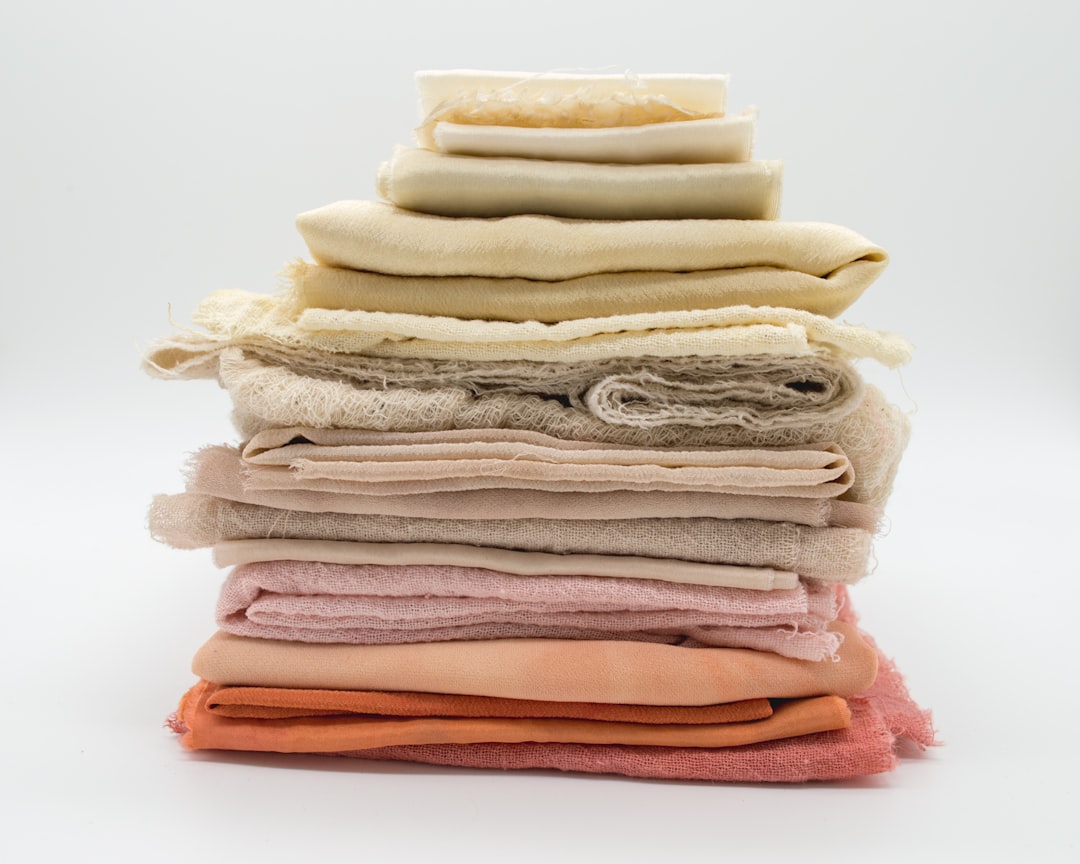 Photo by Mel Poole on Unsplash
The Criteria: What Actually Defines a “Keeper” T-Shirt?
Before we pit these fibers against each other, we need a baseline for judgment. We aren’t just looking at the environmental impact; we are looking at the daily wearability. A sustainable fabric that requires dry cleaning is not sustainable in practice. Here are the four pillars we will use to evaluate each contender:
- Durability & Structure: Does it hold its shape through a workday? Does it resist pilling, tearing, and stretching out at the seams?
- Comfort & Hand-Feel: This is the “touch” factor. How does it feel against the skin immediately, and how does it feel after five washes?
- Thermoregulation & Moisture Wicking: Does it keep you cool when it is hot, warm when it is cool, and dry when you are stressed?
- Maintenance & Longevity: How much fuss is required to keep this garment looking good? Does it wrinkle instantly? Does it require special care?
We are looking for the shirt that survives the “Wednesday afternoon test”—the one that still looks intentional when you are running from a work meeting to a casual dinner without a change of clothes.
The Heavyweight: Organic Cotton’s Familiar Comfort
Let’s start with the one you likely already own. Organic cotton is the gateway fabric for most sustainable shoppers. Unlike conventional cotton, which is one of the most pesticide-intensive crops on the planet, organic cotton is grown without synthetic fertilizers or toxic pesticides. It is a massive step up for the soil and for the farmers who grow it.
The Case for Cotton (The Soft Life)
The primary reason cotton dominates the basics market is comfort. It is a known quantity. When you buy a GOTS-certified organic cotton tee, you are getting a fabric that is typically softer and less likely to cause skin irritations than its conventional counterpart. It has a natural “give” to it that makes it easy to move in.
For women with sensitive skin, organic cotton is often the safest bet. It doesn’t have the bristly texture that raw hemp can have, nor the slightly stiff initial hand-feel of linen. It is the “safe” choice—the one you know will feel like a hug on the first wear.
The Inconvenient Truth: Droop and Shrink
However, comfort often comes at the cost of structure. Pure cotton, especially lighter weights (think 4.2 oz or less), is prone to bagging out. The elbows stretch, the neckline rolls, and the hem loses its crispness by mid-afternoon.
Furthermore, unless it is specifically pre-shrunk or combed, organic cotton can shrink significantly in the dryer. This requires a shift in habits—you must air-dry or use low heat to preserve the fit. This makes cotton the highest maintenance option in terms of preserving its original silhouette, even if it is the easiest to throw on.
The Vibe: It is the “worn-in” feeling you crave. It is a classic, but it requires you to be gentle with it to keep it looking sharp.
The Rugged Challenger: Hemp’s Unfair Advantage
If organic cotton is the reliable friend, hemp is the overachiever. The sustainability statistics for hemp are almost absurdly good. It grows rapidly, requires significantly less water than cotton, and actually improves the soil it grows in by suppressing weeds and preventing erosion. It is also naturally antibacterial and resistant to UV rays.
But the real selling point for the practical shopper is strength. Hemp fibers are famously 3 to 8 times stronger than cotton fibers. This means a hemp t-shirt is unlikely to rip, tear, or wear thin at the elbows. It is the closest thing to a “buy it for life” material in the basics category.
The Texture Compromise
Here is where we get honest about the drawbacks. Hemp has a rougher, more textured hand-feel than cotton. While modern processing has softened it considerably, a 100% hemp tee still lacks the buttery drape of cotton. It tends to have a stiffer “hand” and a more rustic, crinkled aesthetic.
However, this texture is a feature, not a bug, for many. It doesn’t cling to the body, which is a blessing in humid climates. It keeps you cooler than cotton because the hollow fibers allow for better air circulation. The trade-off is that it doesn’t have that initial softness. It is a “break-in” fabric—the more you wash and wear it, the softer it gets, but it will never feel like a standard jersey knit.
The Strength Factor
For women who are rough on their clothes—whether that means hauling bags, hiking, or simply washing in a communal laundry machine—hemp wins on resilience. It holds its shape better than cotton and doesn’t stretch out at the waistband. It is the shirt you can throw in a bag, pull out wrinkled, and it still looks intentional rather than sloppy.
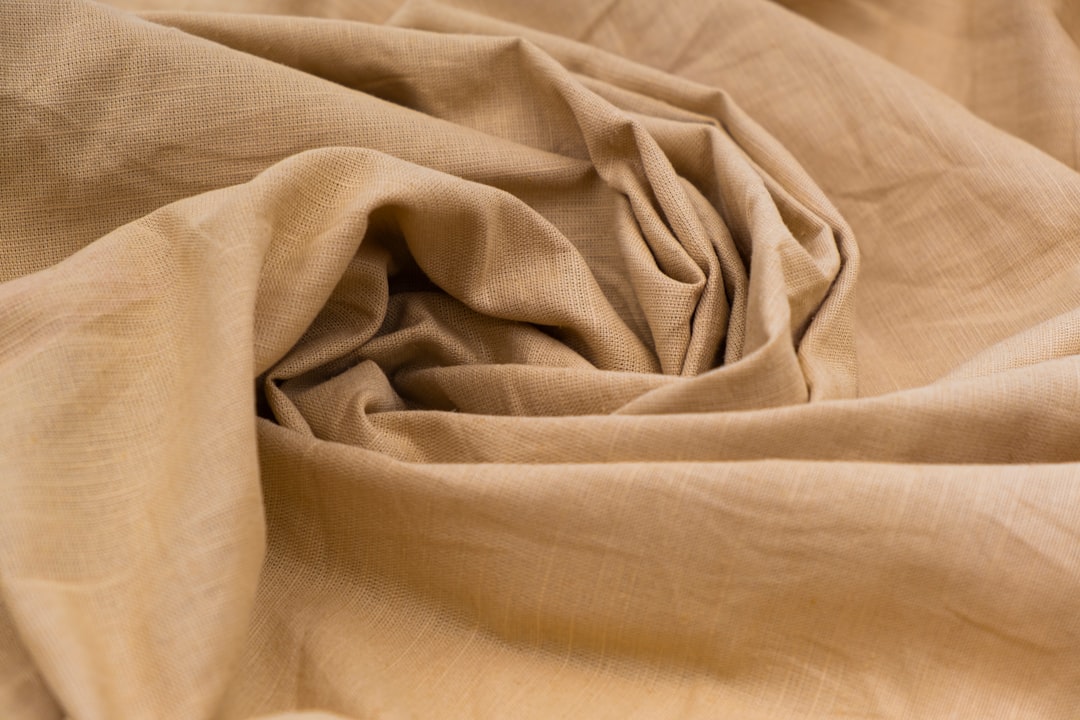 Photo by Berkin Üregen on Unsplash
The Sophisticate: Linen’s Breezy Elegance
Linen comes from the flax plant, and it is arguably the oldest textile in the world. Like hemp, it is a bast fiber, meaning it comes from the stalk of the plant. It is highly sustainable, requiring far less water than cotton and no synthetic fertilizers.
The aesthetic of linen is distinct: it is naturally textured, breathable, and has a beautiful, relaxed drape that reads as “effortless.” It is the unofficial uniform of summer.
The Heat Regulator
Linen is the undisputed king of thermoregulation. If you run hot, or if you live in a climate where summer feels like a sauna, linen is the answer. The fabric is highly absorbent and wicks moisture away from the skin, drying quickly. It is also naturally hypoallergenic and resistant to moths and bacteria.
The Wrinkle Reality
Let’s address the elephant in the room: linen wrinkles. And not just a little. It creases in a way that can look chic and bohemian, or messy, depending on the cut and styling. If you are someone who hates ironing, a 100% linen t-shirt might drive you crazy.
However, linen gets softer with every wash. Unlike cotton, which tends to degrade in structure, high-quality linen becomes suppler and more fluid over time. It is a fabric that looks better with age, provided you embrace the creases as part of its character.
The Verdict: A Head-to-Head Comparison
To make the choice clearer, here is the breakdown of how these three fibers stack up against our core criteria. This table is your cheat sheet for decision-making.
| Feature | Organic Cotton | Hemp | Linen |
|---|---|---|---|
| Durability | Low-Medium (Prone to pilling & stretching) | High (3-8x stronger than cotton) | Medium-High (Strong, but weaker when wet) |
| Initial Softness | High (Soft immediately) | Low (Rough, requires breaking in) | Medium (Stiff, requires washing) |
| Long-Term Feel | Wears thin; loses shape | Softens, but remains textured | Softens significantly; gets supple |
| Breathability | Low-Medium (Traps moisture) | High (Hollow fibers, great airflow) | Very High (Best for hot climates) |
| Wrinkle Resistance | Low (stretches out of shape) | Medium (Holds shape, but creases) | Very Low (Wrinkles easily) |
| Environmental Impact | Good (No pesticides, but water-heavy) | Excellent (Minimal water, improves soil) | Excellent (Minimal water, low impact) |
| Best For | Everyday comfort, sensitive skin | Rugged durability, outdoor wear | Hot weather, relaxed elegance |
The Better Pick for Each Kind of Shopper
So, which one “earns its keep”? It depends entirely on your lifestyle. Here is our definitive guide to choosing your champion.
Choose Organic Cotton If…
You prioritize immediate comfort above all else. You want a shirt that feels soft against your skin at 7:00 AM without any “break-in” period. You prefer a drapey, relaxed silhouette over a structured one. You are willing to air-dry your clothes to maintain the fit.
- Best For: The work-from-home uniform, layering under blazers, and women with highly sensitive skin.
- The Style Note: Look for a heavier weight (5 oz or more) to avoid the “see-through” problem. Brands like Pact or Organic Basics offer GOTS-certified options that hold up reasonably well, though you must treat them gently.
Choose Hemp If…
You are hard on your clothes. You need a tee that can survive a commute, a weekend hike, and a busy travel schedule without looking destroyed. You value function over softness and are okay with a more textured, “utility” aesthetic. You want the lowest environmental impact possible.
- Best For: Travel capsules, outdoorsy wardrobes, and those who hate ironing but hate baggy clothes more.
- The Style Note: If you struggle with the texture, look for a hemp-cotton blend (like 55% hemp/45% cotton). This gives you the strength of hemp with the softness of cotton. Brands like WAMA Underwear and Jungmaven are pioneers in this space, with Jungmaven specifically known for their “hemp tee” that breaks in beautifully over time.
Choose Linen If…
You live in a hot climate or you run warm. You appreciate a refined, slightly polished look that doesn’t try too hard. You are willing to embrace wrinkles as a sign of natural, relaxed style. You want a shirt that gets better with age and lasts for years.
- Best For: Summer capsules, beach vacations, and creative office environments where a relaxed look is acceptable.
- The Style Note: A slightly boxy cut in linen looks more intentional than a fitted one, as it allows for airflow and hides the natural creasing. Look for European flax linen, which is often softer and higher quality than other sources. For a great starting point, check out brands like Eileen Fisher or Not Perfect Linen.
The Final Wash: Making It Last
Regardless of which fiber you choose, the longevity of your garment depends on your care routine. A $100 hemp shirt will fall apart if you blast it in a hot dryer with a denim jacket. Conversely, a mid-range linen tee will last a decade if you wash it on a gentle cycle and lay it flat to dry.
Our advice: Stop treating your basics as disposable. When you buy a t-shirt, you are buying the fiber and the labor. Treat it like a delicate item. Wash in cold water, use a mesh bag, and hang to dry. This single habit shift will double the life of your clothing. If you are looking to build a more cohesive system, consider how these shirts fit into a larger capsule—a simple tee is often the missing link in a work-from-home capsule that needs to look polished on video calls.
The Verdict on Blends
If you simply cannot decide, the blended route is the smartest play. A hemp-linen blend offers the durability of hemp with the breathability of linen. A cotton-hemp blend offers softness and strength. These blends are often the “best of both worlds” and are becoming increasingly common in the sustainable market.
Your Next Step: The 24-Hour Test
We’ve given you the data, but the final decision comes down to sensory preference. Here is your specific next step: Order one of each (or visit a store that stocks all three) and perform the 24-Hour Test.
Wear the cotton tee on a busy day. Sleep in the hemp tee. Wear the linen tee during a stressful work presentation. Notice how each one feels at hour six. Does the cotton stretch out? Does the hemp itch? Does the linen make you feel polished or frazzled?
The “best” fabric is not the one with the best stats on a spreadsheet; it is the one that makes you feel like the most put-together version of yourself. Once you find that, you have found your keeper. For more guidance on building a wardrobe that works for you, check out our comparison on Eileen Fisher vs. Reformation vs. Sézane to see how these fabrics translate into full outfits.