You’re standing in front of an open suitcase on a Sunday night, staring at a pile of clothes that somehow feels both chaotic and sparse. You have a dinner, a client meeting, and a casual birthday gathering on the calendar, but no clear way to make the pieces you own work for all three. The 3-3-3 rule keeps surfacing in your feed—three tops, three bottoms, three pairs of shoes—but the advice usually stops at the math. Nine items, twenty-seven outfits, done.
The real friction isn’t the counting. It’s the selection. Picking nine pieces that genuinely coordinate without looking repetitive requires a different kind of thinking than packing for a trip. It requires understanding the material, cut, and color logic underneath the trend. This guide breaks down how the 3-3-3 rule actually works, where it fails, and how to adapt it so it doesn’t just simplify your closet—it improves the quality of every outfit you build from it.
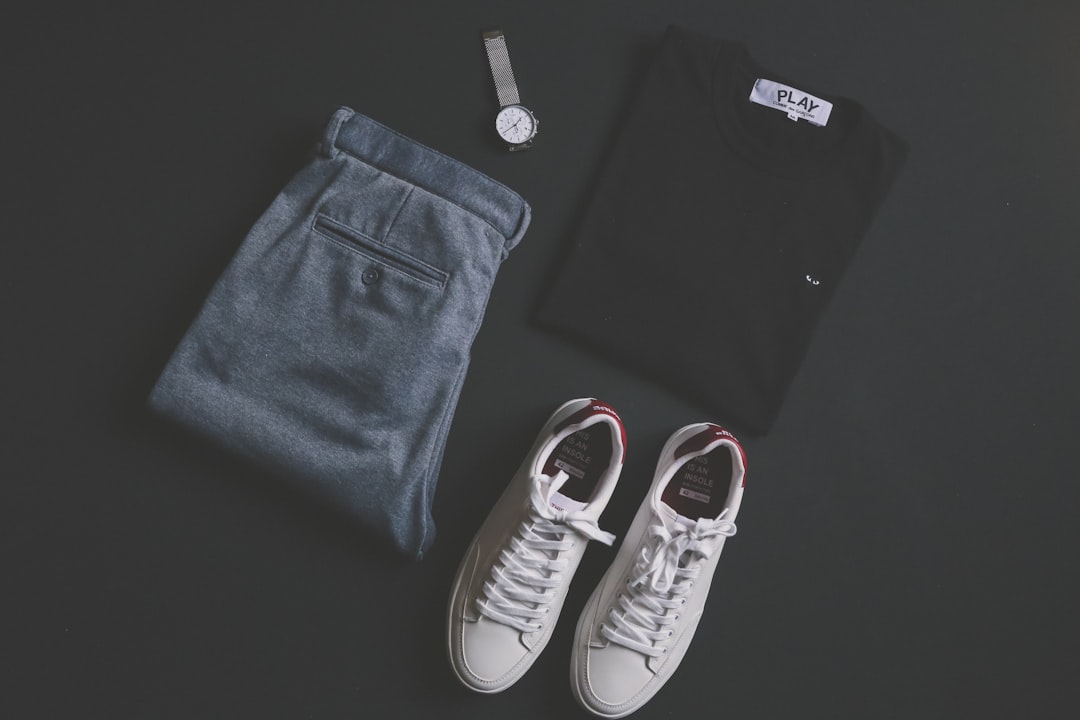 Photo by Mnz on Unsplash
The 3-3-3 Rule Isn’t a Capsule—It’s a Constraint Exercise
Most capsule wardrobe advice asks you to curate a season’s worth of clothing—often twenty to thirty pieces that cover every possible occasion. The 3-3-3 rule deliberately does the opposite. It strips away the option to hedge. With only nine items, you cannot hide a weak purchase behind a jacket or a clever accessory. Every piece must earn its place through versatility, fit, and material quality.
The rule’s original context was travel. Packing for a long weekend with a carry-on forces you to prioritize items that can be dressed up or down, layered, and washed easily. The logic translates to your home closet because it exposes the same blind spots: the top that only works with one specific pair of jeans, the shoes that hurt after two hours, the bottom that needs constant ironing.
What the rule asks you to do is treat your entire wardrobe as if you were packing for a trip where you can’t buy anything new. That constraint is uncomfortable, but it’s also clarifying. It forces you to ask a sharper question than “Do I like this?” The better question is “Does this item expand or limit my outfit options?”
Why Nine Pieces Feels Harder Than It Sounds
The math says three tops multiplied by three bottoms gives you nine combinations before you even factor in shoes. Add the shoes, and you can technically reach twenty-seven outfits. But that math assumes every top works with every bottom, which is rarely true in practice.
A striped boatneck tee might pair beautifully with wide-leg trousers but look awkward with a high-waisted pencil skirt. A chunky sneaker might ground a flowy midi skirt but visually clash with tailored shorts. The 3-3-3 rule works best when you choose pieces that share a similar visual weight and finish. That means paying attention to fabric weight, silhouette, and color temperature, not just whether the colors match.
Choosing the Nine Pieces That Actually Work Together
Before you start pulling items from your closet, you need a framework for what “mix well” means. The most successful 3-3-3 systems I’ve seen share three structural traits: a consistent color story, a balance of fitted and relaxed silhouettes, and at least two pieces that can serve double duty as layering or statement items.
Start with a color palette. If you pick three tops in wildly different color families—say, a pastel pink, a neon green, and a burgundy—you’ll struggle to create a cohesive look. Instead, choose tops that fall within the same tonal family or that share a common accent color. A white tee, a cream knit, and a muted sage blouse work together because they all have a soft, earthy undertone.
Next, think about silhouette variety. If all three bottoms are skinny jeans, your outfit rotation will feel repetitive even if the tops change. Choose one fitted bottom, one relaxed bottom, and one structural bottom—like a pair of straight-leg jeans, a linen wide-leg pant, and a tailored midi skirt. This gives you different proportions to play with.
The Third Category: Why Shoes Make or Break the System
Shoes are the most underrated part of the 3-3-3 rule. They do more than complete an outfit—they change its formality, its mood, and its comfort level. The same pair of jeans and a white tee can look polished with loafers, casual with sneakers, and dressed up with heeled boots.
For the rule to work, your three pairs of shoes need to cover three distinct functions: one pair for walking or daily wear, one pair for dressing up, and one pair for transitional weather or layered outfits. A pair of leather sneakers, a low block heel, and a sturdy ankle boot form a solid foundation. Avoid picking three pairs that serve the same purpose, like two variations of white sneakers, because that reduces your outfit range without adding visual variety.
Where the 3-3-3 Rule Falls Short (and How to Adapt It)
The 3-3-3 rule is a powerful tool, but it has blind spots. It assumes you have a stable base of basics already—underwear, socks, outerwear, and accessories that can bridge the gaps. It also assumes your lifestyle fits into a narrow range of activities. If you work in an office, go to the gym, and attend evening events in the same week, nine items won’t cover all of it.
This is where the rule needs flexibility. You can adapt it by treating it as a starting point rather than a rigid law. For example, you might add a fourth category—like one dress or one layering piece—without losing the spirit of the exercise. The goal isn’t to hit a specific number; it’s to force yourself to evaluate each item’s utility.
Another limitation is seasonal. The 3-3-3 rule works well for transitional weather, but it struggles in extreme climates. In winter, you need thermal layers, a heavy coat, and waterproof footwear—none of which fit neatly into a nine-item system. In summer, you might need more than three tops if you’re sweating through them daily. For these cases, treat the 3-3-3 rule as a seasonal reset rather than a year-round wardrobe solution.
 Photo by Amanda Vick on Unsplash
When “Versatile” Becomes a Marketing Trap
One of the biggest risks with the 3-3-3 rule is falling for brands that use “versatility” as a buzzword. A top that’s marketed as “wearable five ways” often ends up being a shapeless rectangle that works for none of them. Versatility isn’t a feature you can buy—it’s a relationship between an item’s design, your body, and your existing wardrobe.
When evaluating a piece for your 3-3-3 system, ask whether it can be styled in at least three distinct ways without requiring a special occasion or a specific accessory. A silk camisole can be tucked into trousers, layered under a blazer, or worn with a cardigan for a casual look. A printed blouse that only works with one skirt doesn’t earn its place.
This is also where material quality matters more than brand name. A well-constructed cotton poplin shirt will hold its shape through multiple washes and can be dressed up or down. A cheap synthetic blouse might look fine on the hanger but lose its drape after a few wears, making it harder to style. If you’re shopping secondhand, pay attention to fabric composition and construction details—check the stitching, the seam allowances, and the care label. For more guidance on evaluating secondhand pieces, the shopping checklist for a secondhand cashmere sweater offers a useful framework for assessing knitwear quality that applies to any fabric.
The 3-3-3 Rule as a Shopping Filter, Not Just a Packing Hack
The most underrated application of the 3-3-3 rule isn’t packing—it’s shopping. If you approach every purchase with the question “Does this fit into my current 3-3-3 system?” you automatically filter out impulse buys and trend-driven pieces that won’t integrate with your wardrobe.
This requires you to have a defined 3-3-3 system in the first place. If you don’t, start by documenting what you already own. Lay out your three favorite tops, three most-worn bottoms, and three go-to pairs of shoes. Identify the gaps. Maybe you have three tops but they’re all casual tees, and you’re missing a dressier option. Maybe your shoes are all flats, and you have nothing for formal occasions.
Once you know your gaps, you can shop with intention. When you see a potential purchase, ask yourself: “Does this replace a weak item in my system, or does it add redundancy?” If it’s a fourth pair of black pants, it’s probably not adding value. If it’s a pair of loafers that can work with all three bottoms, it might be worth considering—even if it’s not on your original list.
The Role of Outerwear and Accessories
The 3-3-3 rule doesn’t explicitly include outerwear or accessories, but these items are what prevent the system from feeling repetitive. A blazer can transform a casual tee-and-jeans outfit into something polished. A scarf can add color and texture. A leather belt can define your waist and change the proportion of a loose top.
If you’re building a 3-3-3 system from scratch, consider adding one or two layering pieces that work across all three tops and bottoms. A classic trench coat is a strong choice because it works with everything from dresses to jeans. For more ideas on how to style a blazer across different occasions, the secondhand blazer outfit formula provides a practical framework.
Accessories should follow the same logic as your clothing: each piece should serve multiple functions. A crossbody bag can work for day and night. A silk scarf can be worn as a necktie, a headband, or a bag charm. The goal isn’t to accumulate more—it’s to make the nine core pieces feel fresh through small styling shifts.
Questions to Ask Before You Buy
Before you add any item to your 3-3-3 system, run it through a quick checklist. These questions help you separate pieces that will genuinely expand your outfit options from ones that will sit untouched in your closet.
Does this item work with at least two of my three bottoms?
If you’re buying a top, it should pair with at least two of your three bottoms—ideally all three. If it only works with one, it’s not versatile enough for a nine-piece system.
Does this item share a color story with my existing pieces?
You don’t need everything to match perfectly, but the colors should feel like they belong together. A bright red top might work if your palette includes warm tones; it will clash if your palette is cool and muted.
Does this item require special care that makes it impractical?
A linen blouse that needs hand-washing and ironing might not be the best choice for a travel-friendly system. If you’re building a capsule for daily wear, prioritize fabrics that can handle regular washing and wear. The linen care playbook explains what to expect from linen and how to manage it.
Does this item fit both my body and my lifestyle?
A piece can look great on the hanger but feel wrong once you’re wearing it. Try it on with your existing pieces—not just on its own. Walk around in it. Sit down in it. If it restricts your movement or makes you adjust constantly, it’s not a functional addition.
Is this item a want or a gap-filler?
If you already have five pairs of black trousers, a sixth one isn’t filling a gap—it’s feeding a habit. The 3-3-3 rule works because it forces you to articulate what you actually need. If you can’t name a specific gap this item fills, it’s probably not worth the money or the closet space.
Making the 3-3-3 Rule a Habit, Not a One-Time Cleanse
The 3-3-3 rule is often treated as a one-time decluttering exercise, but its real power comes from using it as a recurring practice. Every time you buy something new, you’re implicitly updating your system. The question is whether you’re doing it deliberately or reactively.
Try doing a 3-3-3 audit at the start of each season. Pull out your nine core items, wear them for a week, and note which combinations feel tired and which feel fresh. You might discover that one of your tops doesn’t work as well as you thought, or that a pair of shoes needs replacing. This audit doesn’t have to be lengthy—thirty minutes is enough—but it keeps your wardrobe aligned with your actual life.
You can also use the 3-3-3 rule to test new purchases before committing to them. If you find a jacket or a pair of pants you like, challenge yourself to build a 3-3-3 system around it. If you can’t make it work with your existing pieces, it’s probably not the right addition. This approach is especially useful when shopping secondhand, where you need to assess an item’s potential without being able to return it easily. The shopping checklist for a secondhand trench coat offers a good model for evaluating secondhand items before you buy.
Start With What You Have
You don’t need to buy anything to start using the 3-3-3 rule. Begin by taking inventory of your current wardrobe. Lay out your three most-worn tops, three bottoms, and three pairs of shoes. Wear them for a week, and pay attention to which combinations you reach for and which ones feel forced.
You might find that your current nine pieces already work well together—in which case, you’ve just saved yourself a shopping trip. Or you might discover that you’re missing a key piece, like a pair of neutral loafers or a structured blazer. That’s useful information to have before you spend money on anything new.
The 3-3-3 rule isn’t about deprivation. It’s about clarity. When you know exactly what you own and why you own it, every purchase becomes more intentional, and every outfit becomes easier to put together. That’s the real payoff—not a smaller closet, but a smarter one.