The 2026 Sustainable Denim Guide: How to Buy, Style, and Care for Ethical Jeans
Let’s talk about jeans. That one pair you reach for again and again, the ones that feel like a second skin, the ones that have seen you through everything. For so long, finding that perfect pair came with a hidden cost—to the planet and the people who made them. But what if your favorite jeans could be a force for good? What if they could support healthier soil, cleaner water, and fairer wages?
The world of sustainable denim has evolved dramatically, moving beyond a niche concern to become the heart of a modern, conscious wardrobe. In 2026, it’s not about sacrificing style for ethics; it’s about demanding both. This guide is your trusted companion to navigating that new landscape. We’ll cut through the greenwashing, explore the brands truly leading the charge, and show you how to buy, style, and care for denim that looks good, feels good, and does good. Consider this your blueprint for building a denim collection you can feel genuinely proud of.
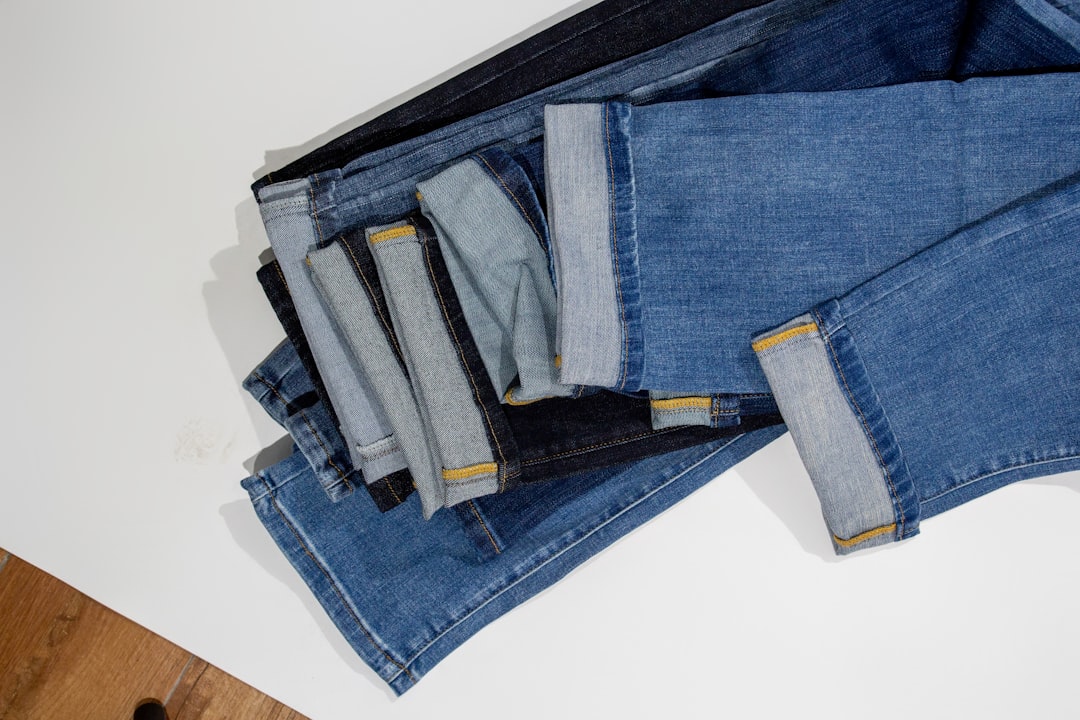 Photo by TuanAnh Blue on Unsplash
What Makes Denim “Sustainable” in 2026?
Before we dive into brands and styles, let’s establish what we’re actually looking for. The term “sustainable denim” can feel overwhelming, but in 2026, it breaks down into a few key, measurable pillars. Think of this as your checklist.
1. The Fabric: Beyond Organic Cotton While GOTS-certified organic cotton (grown without synthetic pesticides) remains a gold standard, the frontier has expanded. The new leaders are championing Regenerative Organic Certified™ cotton. This goes beyond “doing no harm” to actively healing the soil, pulling carbon from the atmosphere, and improving biodiversity. Brands like Patagonia and AGOLDE are pioneering this approach. Recycled cotton and post-consumer recycled polyester (often from plastic bottles) are also crucial for reducing waste and water use.
2. The Production: Water, Energy, and Chemicals Traditional denim is notoriously thirsty and toxic. Sustainable brands now employ:
- Laser & Ozone Technology: For creating fades and whiskers without water or harsh chemicals.
- Atmos Steam Washing: A technique that uses steam and minimal water to achieve softness and color.
- Non-Toxic Dyes: Avoiding carcinogenic azo dyes and heavy metals like potassium permanganate.
- Closed-Loop Water Systems: Treating and reusing up to 98% of the water in the dyeing process.
3. The People: Ethical & Transparent True sustainability is social. Look for brands that are transparent about their factories, uphold fair wage certifications (like Fair Trade), and ensure safe working conditions. This is about respecting the human hands behind your jeans.
4. The Business Model: Durability & End-of-Life The most sustainable jean is the one you wear for years. Brands are now designing for longevity with quality construction and offering robust repair services (like Nudie Jeans’ free repair shops). Some are even pioneering take-back programs to recycle old denim into new material, moving towards a circular model.
The 2026 Sustainable Denim Brand Landscape
Gone are the days of limited, crunchy options. Today’s sustainable denim scene is vibrant, stylish, and inclusive. Here’s a breakdown of brands making waves, from heritage names to innovative newcomers.
The Regenerative Pioneers
These brands are investing in farming practices that heal the planet.
- Patagonia: A longtime leader, their denim line now uses 100% Regenerative Organic Certified™ cotton. It’s performance-oriented, incredibly durable, and embodies their “buy less, demand more” philosophy.
- AGOLDE: Known for perfecting vintage-inspired fits, AGOLDE has committed to using regenerative and organic cotton across their collections. Their styles are fashion-forward, proving eco-conscious denim can be at the forefront of trends.
The Circular Innovators
These brands are rethinking the entire lifecycle of a jean.
- Unspun: This brand tackles waste at the source with 3D weaving technology, creating zero-waste denim. They also offer a micro-factory model for on-demand production, reducing overstock.
- Re/Done: The original upcycler, Re/Done deconstructs vintage Levi’s and re-crafts them into modern, coveted silhouettes. It’s the ultimate in circular fashion, giving old jeans a brilliant second life.
- Nudie Jeans: With a legendary free repair service and a robust recycling program, Nudie incentivizes you to keep your jeans forever. Their range of 100% organic cotton styles is extensive and timeless.
The Size-Inclusive & Thoughtful Makers
These brands combine ethics with a commitment to fitting real bodies.
- DL1961: A favorite for premium stretch, DL1961 uses innovative fabrics like FLEXTOUR™ (made from recycled materials) and operates a LEED-certified factory with a closed-loop water system. They offer a wide range of sizes and fits that flatter.
- Lucy & Yak: Bursting with color and personality, this UK-based brand is transparent about its supply chain and uses organic or recycled cotton. Their relaxed, comfortable fits and playful designs have a cult following.
- Ética: A certified B Corp, Ética focuses on sustainable materials, fair labor, and inclusive sizing (up to 3X). Their “Green Collection” is made with 98% less water than conventional denim.
Two Standout Picks for Your Wardrobe
To make your search easier, here are two specific product recommendations that exemplify the best of 2026’s sustainable denim, catering to different style preferences.
1. For the Classic, Tailored Fit: DL1961 Florence High-Rise Straight Leg This jean is a wardrobe workhorse. Made with DL1961’s signature eco-friendly stretch for all-day comfort, the high-rise, straight-leg silhouette is universally flattering and endlessly versatile. The brand’s commitment to water-saving technology and a transparent supply chain means you can feel as good as you look. Shop the Florence Jean here: AFFILIATE_LINK_DL1961_FLORENCE
2. For the Relaxed, Effortless Vibe: Lucy & Yak Alexa Dad Jean If comfort and character are your priorities, look no further. Made from 100% organic cotton, the Alexa fit is a roomy, classic dad jean with a slightly tapered leg. It’s durable, ethical, and comes in a range of fun washes. Perfect for weekends or dressing down a blazer. Shop the Alexa Jean here: AFFILIATE_LINK_LUCKY_YAK_ALEXA
Comparison at a Glance
| Feature | DL1961 Florence | Lucy & Yak Alexa |
|---|---|---|
| Primary Material | Recycled Cotton & FLEXTOUR™ | 100% Organic Cotton |
| Key Sustainability | Closed-loop water system, LEED factory | Transparent supply chain, GOTS cotton |
| Fit & Style | High-rise, tailored straight leg | Relaxed, roomy dad jean with taper |
| Best For | Polished everyday wear, office-to-dinner | Casual comfort, expressive weekend style |
| Inclusive Sizing | Extensive size range | Wide size range available |
 Photo by Eric Prouzet on Unsplash
How to Style Your Sustainable Jeans for 2026
Your ethical jeans are a blank canvas. Here’s how to integrate them into a modern, conscious wardrobe.
- The Elevated Straight Leg: Pair your DL1961 Florences with a crisp, organic cotton button-down and loafers for smart-casual perfection. For evening, swap the shirt for a silk cami and add a blazer.
- The Relaxed Dad Jean: Style the Lucy & Yak Alexas with a simple white tee, chunky sneakers, and a colorful, upcycled sweater tied over your shoulders. Embrace the effortless, “I just threw this on” look.
- The Dark Wash Skinny (A Timeless Staple): A great pair of dark, sustainable skinny jeans still has a place. Dress them up with ankle boots and a tailored blazer, or keep it casual with a chunky knit and mules.
- The Wide-Leg Statement: Sustainable wide-leg jeans are major for 2026. Balance the volume with a fitted turtleneck or a cropped top. Add platform sandals or sleek boots to complete the look.
The key is to see your jeans as a long-term investment. Style them with other conscious pieces from your wardrobe—think our capsule wardrobe guide for building a versatile foundation.
Caring for Your Denim to Make It Last (The Right Way)
Proper care is the final, crucial step in your denim’s sustainable journey. These habits will extend the life of your jeans by years.
- Wash Less, Air Out More: The golden rule. Spot clean when you can. To freshen between wears, hang them outside or in a steamy bathroom.
- Turn Inside Out & Wash Cold: When you do wash, always turn jeans inside out to protect the color. Use a gentle, cold water cycle to save energy and prevent shrinkage and fading.
- Choose a Gentle, Eco-Friendly Detergent: Skip harsh chemicals. Opt for a plant-based, biodegradable detergent.
- Line Dry or Tumble Dry Low: Air drying is best for fabric integrity and the planet. If you must use a dryer, choose the lowest heat setting and remove while slightly damp to avoid over-drying.
- Embrace Repairs: A small tear or a worn-out knee isn’t the end. Learn basic mending, visit a local tailor, or use a brand’s repair service like Nudie’s. Patches and visible mending (sashiko) add character and story.
Build Your Conscious Wardrobe
Your journey into sustainable denim is just the beginning. A single, well-chosen pair of ethical jeans is a powerful step, but it connects to a larger vision of a thoughtful, intentional closet.
Think of these jeans as the cornerstone. From here, you can build outfits around them with other pieces that share the same values. Explore our guide to the best sustainable basics for every season to find perfect tees, sweaters, and tops to pair with your new denim. Or, if you’re ready to think bigger, dive into our step-by-step guide to building a capsule wardrobe that is versatile, personal, and planet-friendly.
Remember, sustainable fashion isn’t about perfection; it’s about progress. It’s about choosing better, buying less, and loving what you have for longer. By investing in denim made with respect—for people and the planet—you’re not just buying a pair of jeans. You’re casting a vote for the kind of world you want to wear. And that never goes out of style.